
10 Common Misconceptions About Standby Medical Services


Understanding Standby Medical Services
Standby medical services are essential in ensuring safety and immediate medical attention during events and emergencies. However, there are several misconceptions about these services that can lead to misunderstandings about their purpose and capabilities.
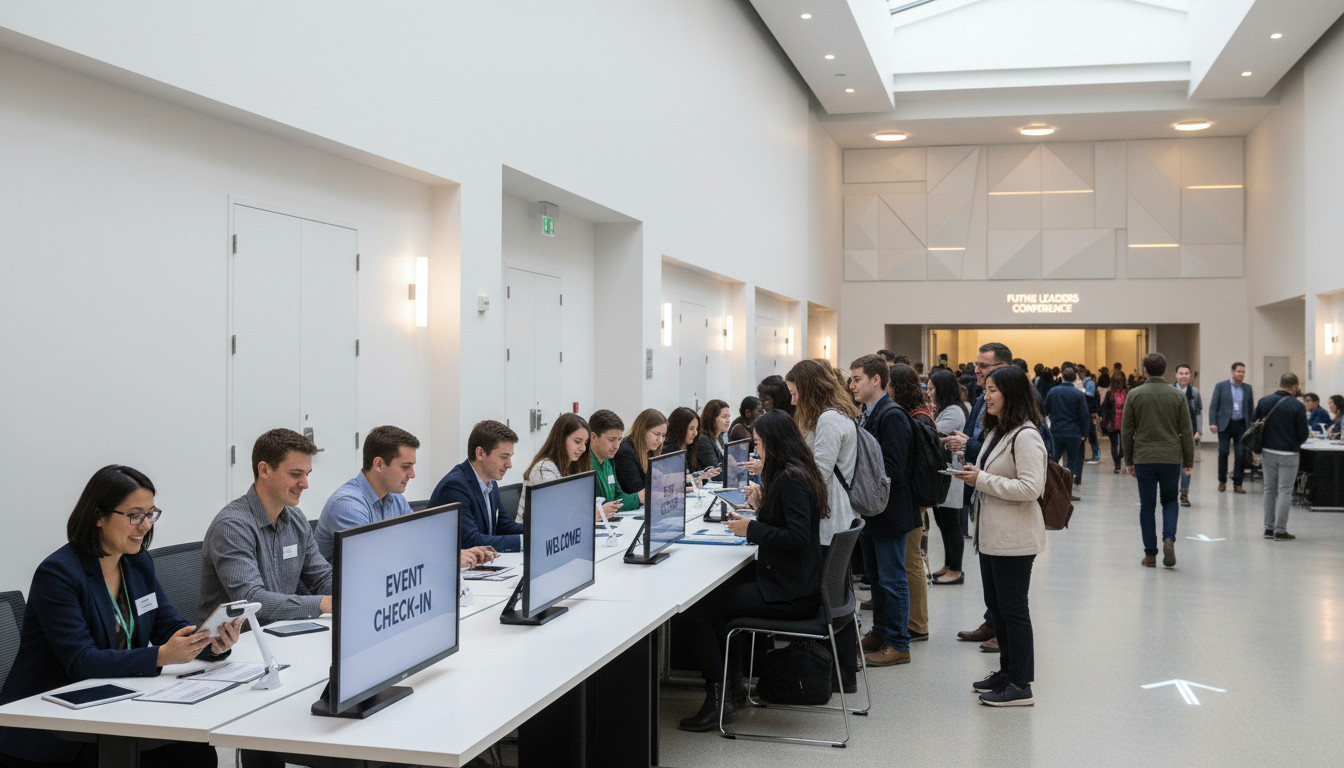
Misconception 1: Only Necessary for Large Events
Many believe that standby medical services are only needed for large-scale events, such as concerts or sports games. In reality, these services are crucial for any event where the risk of injury or illness exists, regardless of size. Even small gatherings can benefit from having medical professionals on hand.
Misconception 2: Too Expensive for Small Events
Another common misconception is that hiring standby medical services is prohibitively expensive for smaller events. However, many providers offer scalable solutions that can fit a variety of budgets. The cost is often outweighed by the peace of mind and safety these services provide.

The Role of Standby Medical Services
Misconception 3: Limited to Providing First Aid
Some people think that standby medical services are only equipped to handle basic first aid. In truth, many services are staffed by trained paramedics or EMTs who can address a range of medical emergencies, from minor injuries to more serious conditions.
Misconception 4: Unnecessary if Local Hospitals are Nearby
While proximity to a hospital is beneficial, having medical personnel on-site ensures immediate response to emergencies. Standby services can provide critical care that stabilizes patients before they reach a hospital, potentially saving lives.
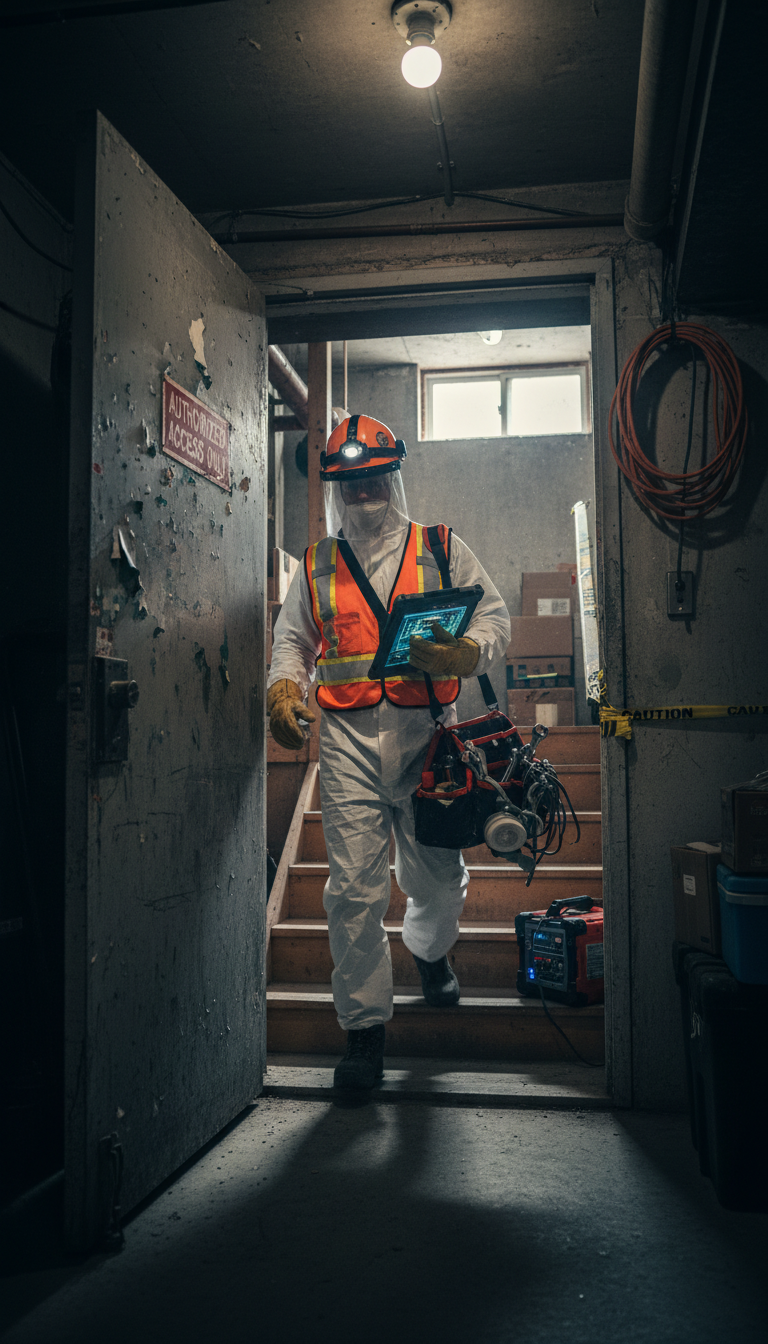
Operational Misunderstandings
Misconception 5: Standby Services Only React to Incidents
It’s a common misunderstanding that standby medical services are purely reactive. In reality, these teams also play a proactive role in assessing event safety, identifying potential hazards, and advising on preventive measures.
Misconception 6: Only for Outdoor Events
Standby medical services are often associated with outdoor events. However, they are equally important for indoor events, where medical emergencies can happen just as easily.

Clarifying Capabilities
Misconception 7: Limited to Physical Injuries
Many people think that standby medical teams only deal with physical injuries. These professionals are also trained to handle medical emergencies like heart attacks, allergic reactions, and other health crises.
Misconception 8: Not Trained for Mental Health Crises
Standby medical services are increasingly equipped to handle mental health emergencies, providing necessary support and intervention until specialized help can be obtained.

Final Thoughts
Misconception 9: They Replace Event Security
Some assume that standby medical services can replace event security. While they work closely with security teams, their primary focus is on health and medical emergencies, not security threats.
Misconception 10: All Services are the Same
Finally, it's important to understand that not all standby medical services offer the same level of care. It's crucial to choose a provider that matches the specific needs and potential risks of your event.
Understanding these common misconceptions can help event organizers make informed decisions, ensuring safety and preparedness for all attendees.