
Case Study: Successful Implementation of Mobile Medical Teams at a Major Festival


Introduction
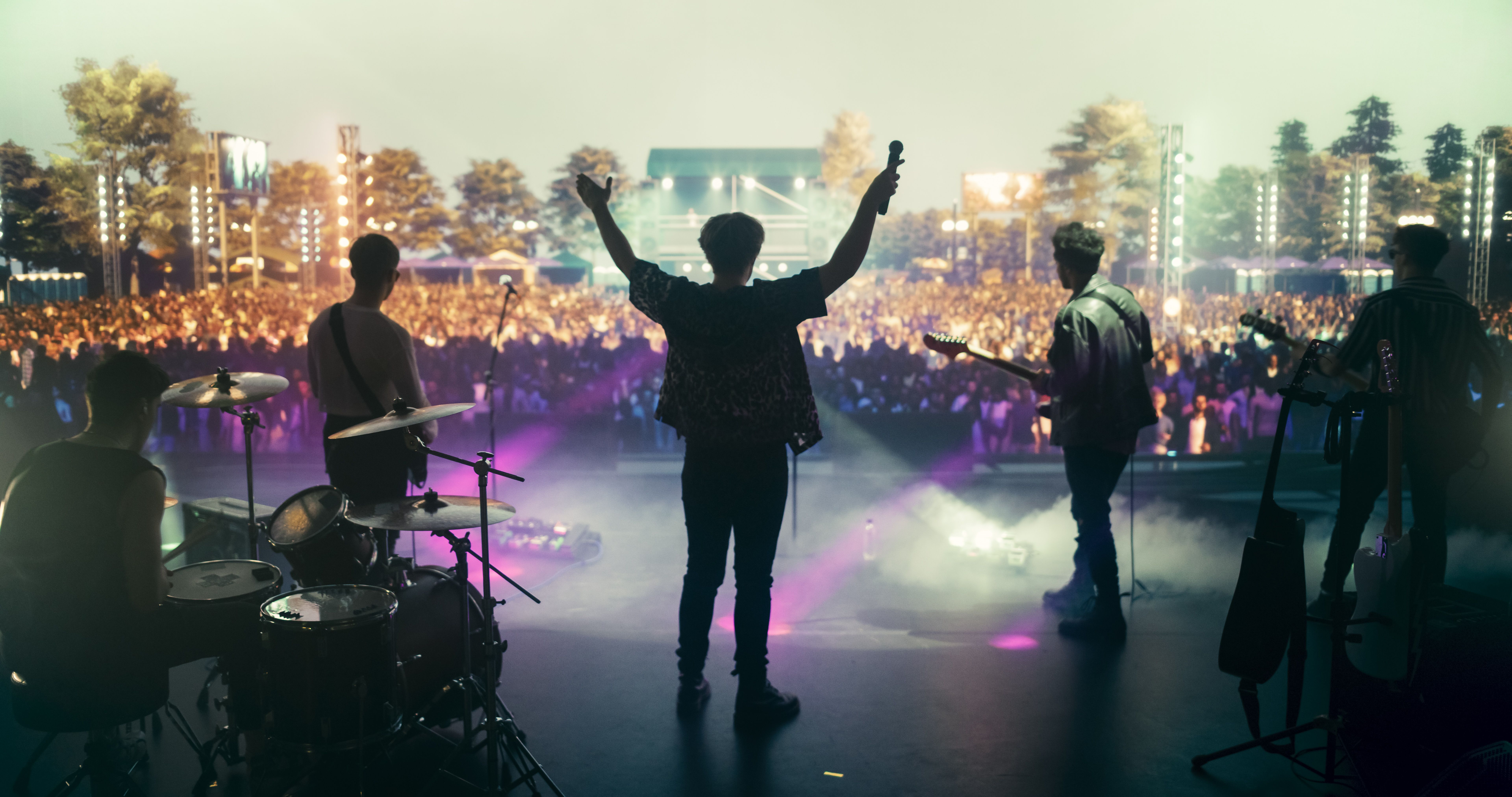
In recent years, large-scale festivals have become a staple of modern culture, drawing thousands of attendees. However, managing the health and safety of such large crowds presents unique challenges. One innovative solution has been the implementation of mobile medical teams, providing on-the-spot care and ensuring the well-being of festival-goers.
The Challenge
Major festivals often see a mix of extreme weather, high-energy activities, and limited access to traditional medical facilities. These factors can lead to a range of health issues, from dehydration and heatstroke to more serious injuries. The challenge for organizers is to provide quick, efficient medical attention without disrupting the festival atmosphere.
Traditional Medical Facilities Limitations
Fixed-location medical tents can be effective but often struggle with long response times and overcrowding. This can result in delayed care, increasing the risk of complications for those in need. The need for a more agile solution was evident.
Implementation of Mobile Medical Teams
The introduction of mobile medical teams addressed this issue directly. These teams, equipped with essential medical supplies and transport vehicles, are stationed strategically across the festival grounds. Their mobility allows them to respond swiftly to emergencies, reducing response times significantly.

Training and Equipment
Mobile teams are staffed by highly trained medical professionals capable of handling a wide range of emergencies. They are equipped with portable medical kits, communication devices, and sometimes even small vehicles like golf carts or ATVs for rapid transit across the festival site.
Positive Outcomes
The results of implementing mobile medical teams have been overwhelmingly positive. Response times have decreased by up to 50%, leading to faster treatment and improved outcomes for patients. Moreover, the presence of these teams has enhanced the overall safety perception among attendees, contributing to a more enjoyable experience.

Case Study: A Major Festival
At a recent major festival attended by over 50,000 people, mobile medical teams were deployed for the first time. Over the course of the event, the teams responded to over 200 incidents, ranging from minor injuries to more serious medical emergencies. The feedback from both attendees and organizers was overwhelmingly positive.
Lessons Learned
The success of mobile medical teams at the festival provided several key insights:
- Strategic Placement: Teams need to be strategically placed in high-traffic and high-risk areas.
- Effective Communication: Clear communication channels between teams and central command are crucial.
- Continuous Training: Regular training ensures teams are prepared for any situation.
Conclusion
The implementation of mobile medical teams at major festivals represents a significant advancement in event safety. By providing rapid, on-the-spot medical care, these teams not only enhance safety but also improve the overall festival experience. As festivals continue to grow in size and scope, the role of mobile medical teams will undoubtedly become even more critical.