
Case Study: Successful Implementation of Standby Medical Services at Large Events


Introduction to Standby Medical Services
Large events, whether sporting, musical, or cultural, bring together thousands of attendees. With such a gathering, the need for efficient and effective medical services becomes paramount. The successful implementation of standby medical services can significantly impact the well-being of participants and the overall success of the event.
Standby medical services are crucial in providing immediate care and support during emergencies. By having a dedicated team on-site, events can ensure that any medical issues are addressed promptly, reducing the risk of complications. This case study explores how these services were effectively implemented at a large-scale event.

Planning and Coordination
The foundation of successful standby medical services lies in meticulous planning and coordination. Event organizers must collaborate closely with medical providers to assess the specific needs of the event. Factors such as the type of event, expected attendance, and venue layout all play a role in determining the level of medical support required.
In this case, a comprehensive risk assessment was conducted to identify potential health hazards. This assessment informed the deployment of medical personnel and resources, ensuring that coverage was both sufficient and strategically placed.

Deployment of Medical Teams
Once the planning phase is complete, the next step is the deployment of medical teams. For this event, a combination of doctors, nurses, and paramedics were stationed at various key points throughout the venue. This strategic placement ensured rapid response times in case of emergencies.
A mobile medical unit was also established, equipped with essential medical supplies and equipment. This mobile unit allowed for flexibility, enabling medical teams to reach any part of the venue quickly.
Communication Systems
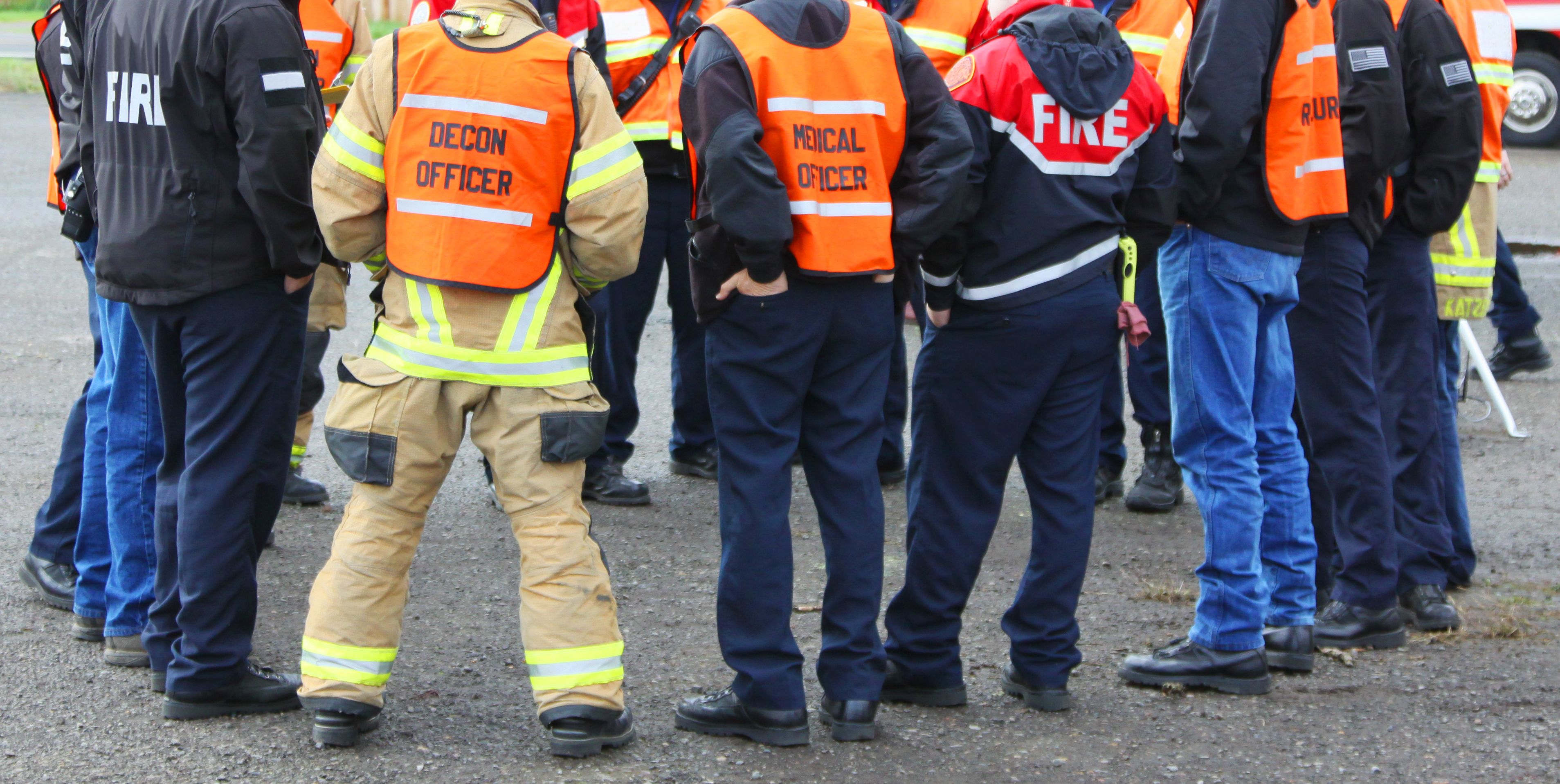
Effective communication is a cornerstone of successful medical service implementation. A robust communication system was set up, linking medical teams with event organizers and security personnel. This system ensured that information flowed seamlessly, allowing for quick decision-making and coordination.
Radio communication was extensively used, providing a reliable means of contact within the venue. In addition, digital platforms were employed to track medical incidents and resource allocation in real-time.
Training and Preparedness
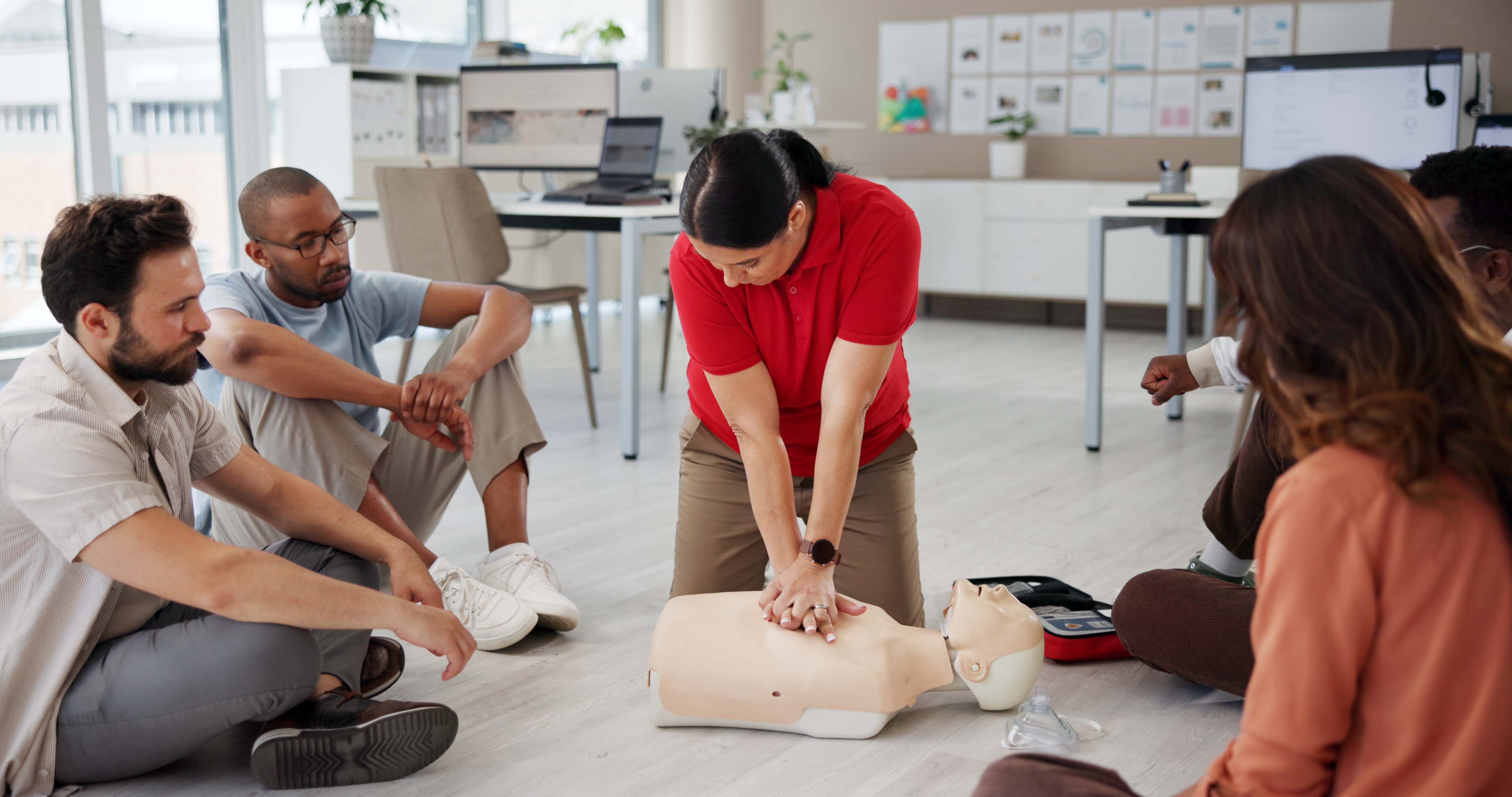
All medical personnel underwent rigorous training to prepare for the event. This training included emergency response drills, simulations, and scenario planning. By preparing for a wide range of potential incidents, the medical teams were well-equipped to handle any situation.
Moreover, training extended beyond medical staff to include event volunteers and security teams. This holistic approach ensured that everyone involved was aware of their roles and responsibilities during a medical emergency.
Outcomes and Lessons Learned
The implementation of standby medical services at this large event proved to be highly successful. Medical teams responded to several incidents, ranging from minor injuries to more serious medical conditions, with efficiency and professionalism.
One key outcome was the enhanced perception of safety among attendees. Knowing that comprehensive medical services were available, attendees were able to enjoy the event with greater peace of mind. This positive perception contributed to the overall success and reputation of the event.
In conclusion, the lessons learned from this case study highlight the importance of thorough planning, effective communication, and comprehensive training. By prioritizing these elements, event organizers can ensure that standby medical services are implemented successfully, safeguarding the health and well-being of all attendees.