
Case Study: Successful Implementation of Standby Medical Services at Major Events


Introduction to Standby Medical Services
In today's world, ensuring the safety and well-being of attendees at major events is of utmost importance. The implementation of standby medical services has become a standard practice for event organizers. This case study explores the successful integration of these services at a recent large-scale event, highlighting the key strategies and outcomes.
Standby medical services provide immediate care and attention to individuals in need, mitigating potential health risks and enhancing the overall event experience. By having medical teams onsite, organizers can respond swiftly to emergencies, ensuring the safety of all participants.
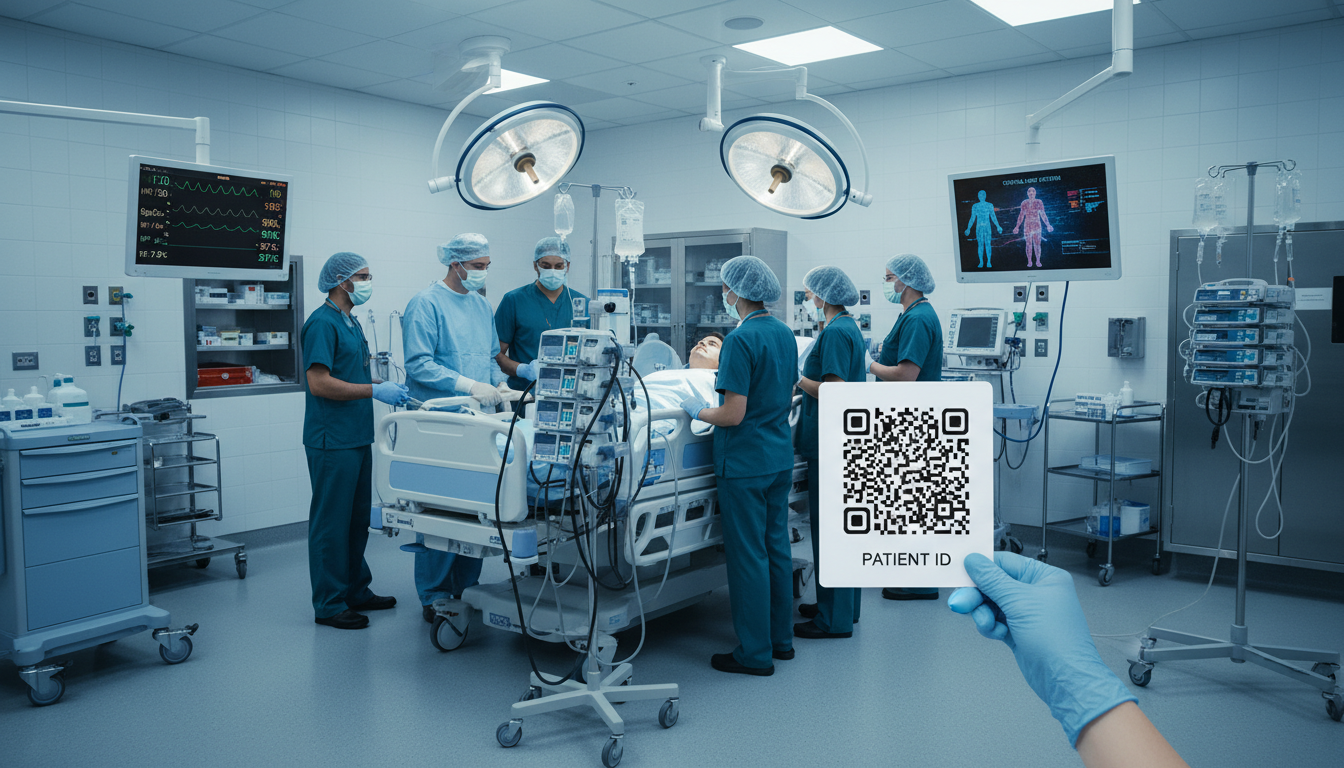
Planning and Coordination
The success of implementing standby medical services begins with meticulous planning and coordination. Event organizers collaborated with medical service providers to assess the specific needs of the event. Factors such as the expected number of attendees, event duration, and location were considered.
A comprehensive plan was developed to allocate resources efficiently. This included setting up medical tents, deploying mobile medical units, and ensuring accessibility to all areas of the venue. The coordination between event staff and medical teams was crucial in establishing a seamless operation.
Training and Preparedness
Training plays a pivotal role in the readiness of medical teams. Prior to the event, medical personnel underwent extensive training sessions to familiarize themselves with the event layout and emergency protocols. This training ensures that they are well-prepared to handle a variety of medical situations.
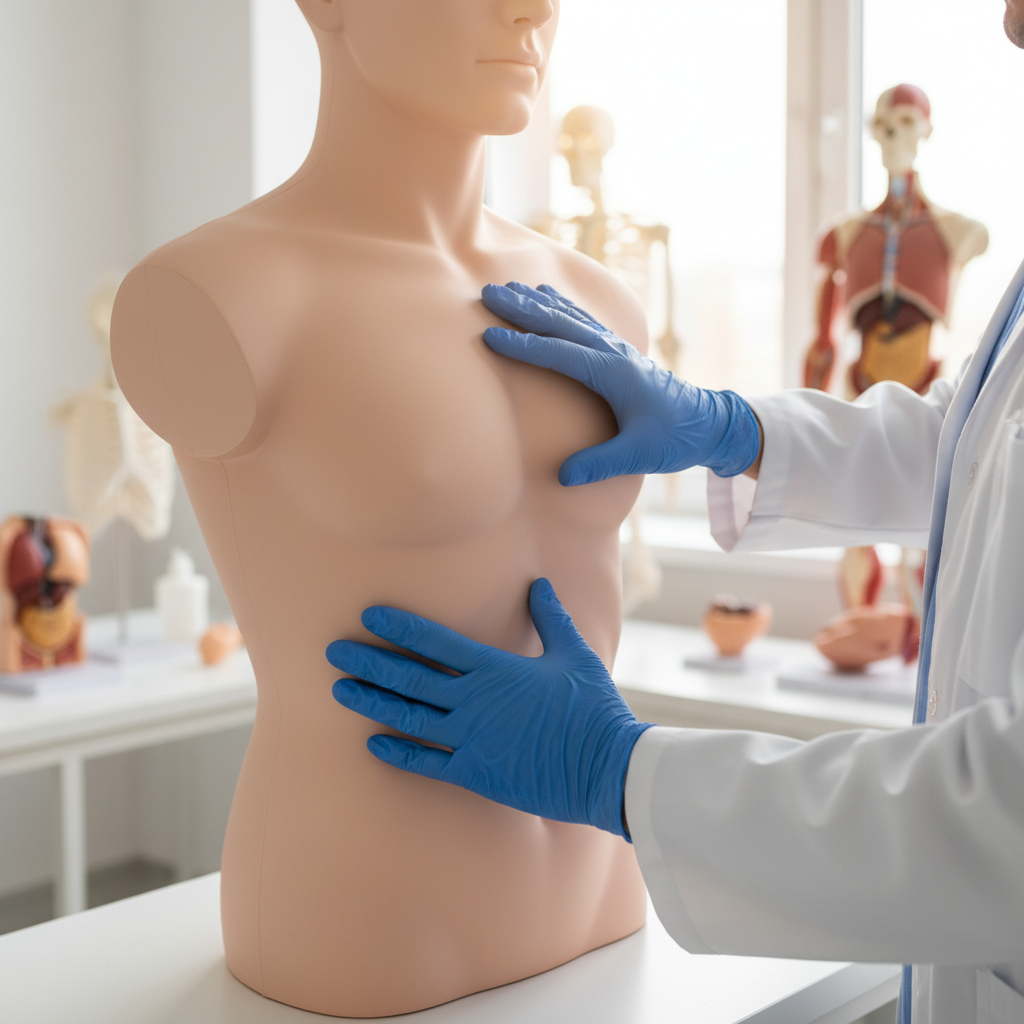
Technology and Equipment
Advanced technology and equipment were crucial components in the effective implementation of standby medical services. Medical teams were equipped with state-of-the-art tools to diagnose and treat injuries on-site. Portable defibrillators, first aid kits, and communication devices were strategically placed throughout the venue.
The integration of technology not only improved response times but also enhanced the overall efficiency of medical interventions. Real-time communication between medical teams and event staff facilitated swift decision-making and resource allocation.
Challenges and Solutions
Despite thorough planning, challenges can arise during major events. One of the main challenges faced was the unpredictable nature of medical emergencies. To address this, a flexible approach was adopted, allowing medical teams to adapt quickly to changing situations.
Additionally, language barriers were overcome by employing multilingual staff and providing translation services. This ensured effective communication with attendees from diverse backgrounds.

Outcomes and Impact
The implementation of standby medical services at the event proved to be highly successful. The presence of medical teams significantly reduced response times to emergencies, resulting in positive outcomes for those in need of medical attention. Attendees expressed a greater sense of security, contributing to an overall positive event experience.
The data collected from this event will serve as a valuable resource for future planning. Insights gained will help refine strategies and improve the effectiveness of medical services at upcoming events.
Conclusion
In conclusion, the successful implementation of standby medical services at major events is a testament to the importance of preparation, coordination, and technology. By prioritizing the safety and well-being of attendees, event organizers can ensure a successful and memorable experience for all participants.
This case study highlights the critical components and strategies that contribute to the effective delivery of medical services, setting a standard for future events.