
Comprehensive Guide to Event Medical Staffing: Ensuring Safety and Compliance


Understanding Event Medical Staffing
When planning an event, ensuring the safety of attendees is a top priority. One of the critical aspects of this is having a comprehensive event medical staffing plan. This involves hiring qualified medical professionals who are prepared to handle any health-related emergencies that may arise during the event.
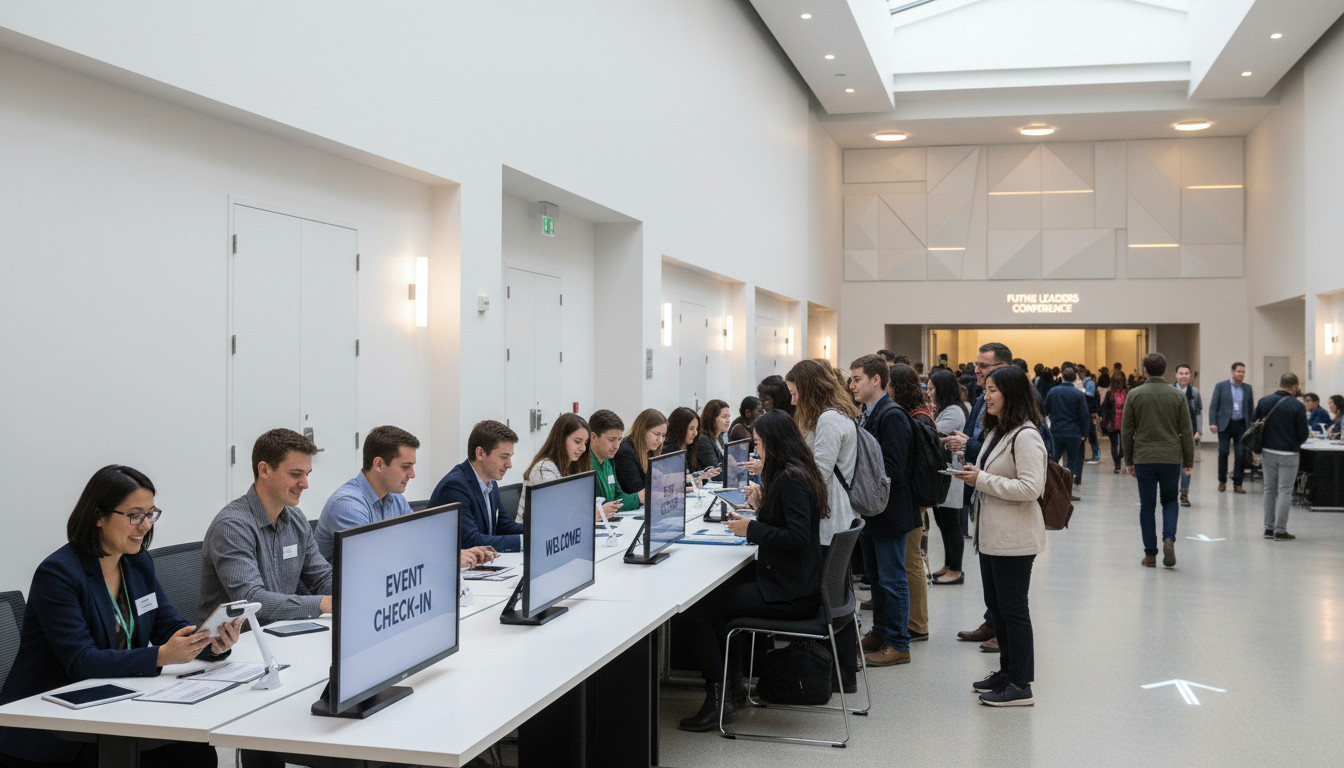
Event medical staffing is not just about having a few first aid kits on-site. It requires a well-thought-out strategy that considers the type of event, the number of attendees, and potential risks. By understanding the specific needs of your event, you can ensure that your medical team is well-prepared to provide timely and effective care.
Key Components of Event Medical Staffing
When assembling your event medical team, it's important to consider several key components. First, assess the qualifications of the medical personnel. Ensure they have the necessary certifications and experience to handle emergencies. Additionally, determine the appropriate ratio of medical staff to attendees to ensure adequate coverage.
Another vital component is the placement of medical stations. Strategically placing these stations throughout the venue allows for quick access to medical assistance. Also, consider having mobile medical teams that can navigate through crowds to reach emergencies promptly.
Types of Medical Professionals Needed
The types of medical professionals required will vary depending on the event. For large events, consider hiring a mix of paramedics, nurses, and doctors. Smaller events may only need first responders or EMTs. Tailor your team based on the specific needs and potential risks of your event.

Ensuring Compliance with Regulations
Compliance with local regulations and industry standards is crucial for event medical staffing. Research the specific requirements for your event's location, as these can vary widely. This may include obtaining permits, having a certain number of medical staff on-site, or specific equipment requirements.
It’s also essential to liaise with local emergency services to ensure a seamless integration should their assistance be required. Having a clear communication plan between your medical team and local authorities can significantly improve response times in emergencies.
Training and Preparedness
Training is a critical aspect of event medical staffing. Conduct regular drills and simulations to prepare your team for potential scenarios. This ensures that all team members are familiar with the venue layout, communication protocols, and emergency procedures.
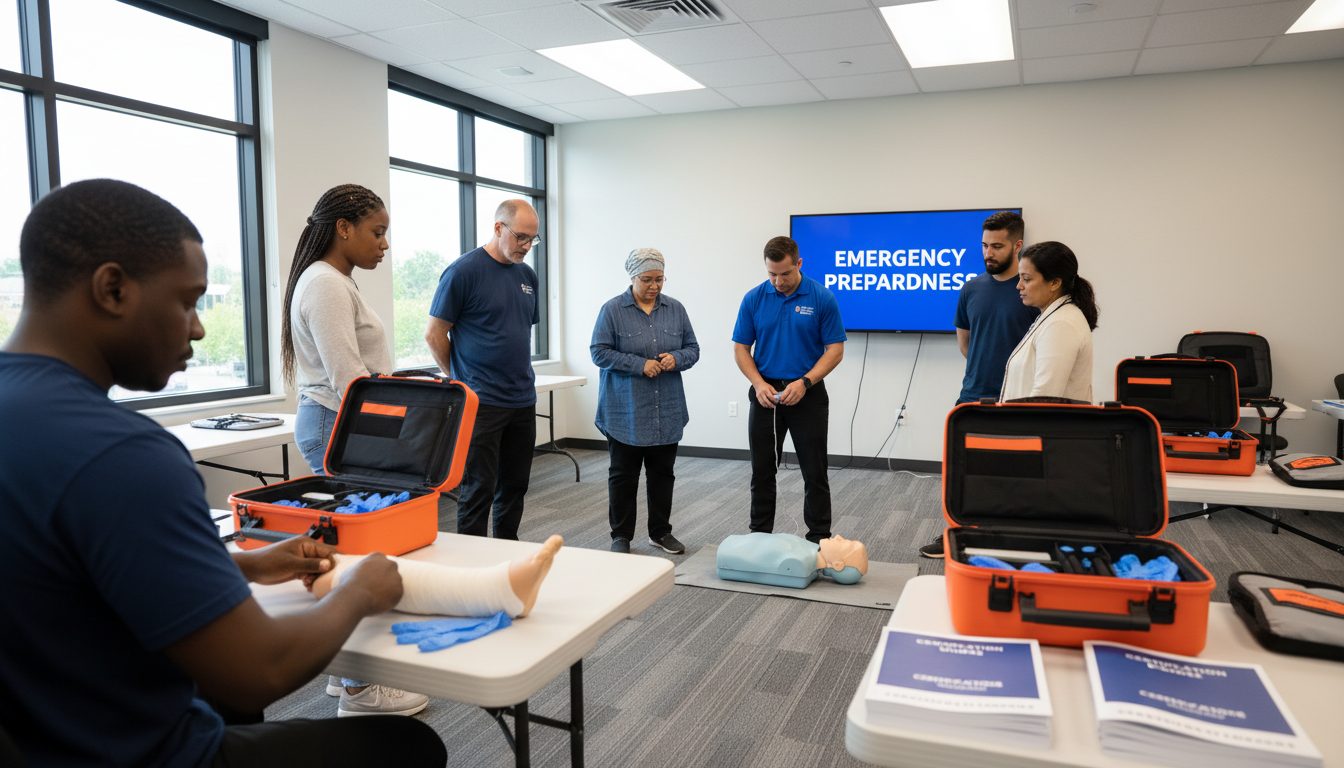
Also, consider training event staff and volunteers in basic first aid and emergency protocols. This additional layer of preparedness can make a significant difference in the event of an emergency, providing immediate assistance until professional help arrives.
Conclusion
Comprehensive event medical staffing is essential for the safety and success of any event. By understanding the necessary components and ensuring compliance with regulations, you can create a safe environment for all attendees. Proper planning and preparedness not only protect participants but also enhance the reputation of your event.