
Expert Tips for Effective Emergency Medical Support Planning


In today's unpredictable world, having a comprehensive emergency medical support plan is crucial for ensuring safety and preparedness. Whether you're a business, organization, or individual, understanding how to effectively plan for medical emergencies can make a significant difference. Here are some expert tips to guide you through the process.
Understanding the Importance of Emergency Medical Support
Emergency medical support planning is not just about having a first aid kit. It's about creating a robust strategy that addresses potential risks and ensures prompt medical assistance when needed. This preparation can save lives and minimize harm during unexpected situations.
Organizations should prioritize training employees and stakeholders on emergency protocols. Regular drills and workshops can enhance readiness and ensure everyone knows their role in an emergency. This proactive approach reduces panic and facilitates a coordinated response.
Assessing Risks and Resources
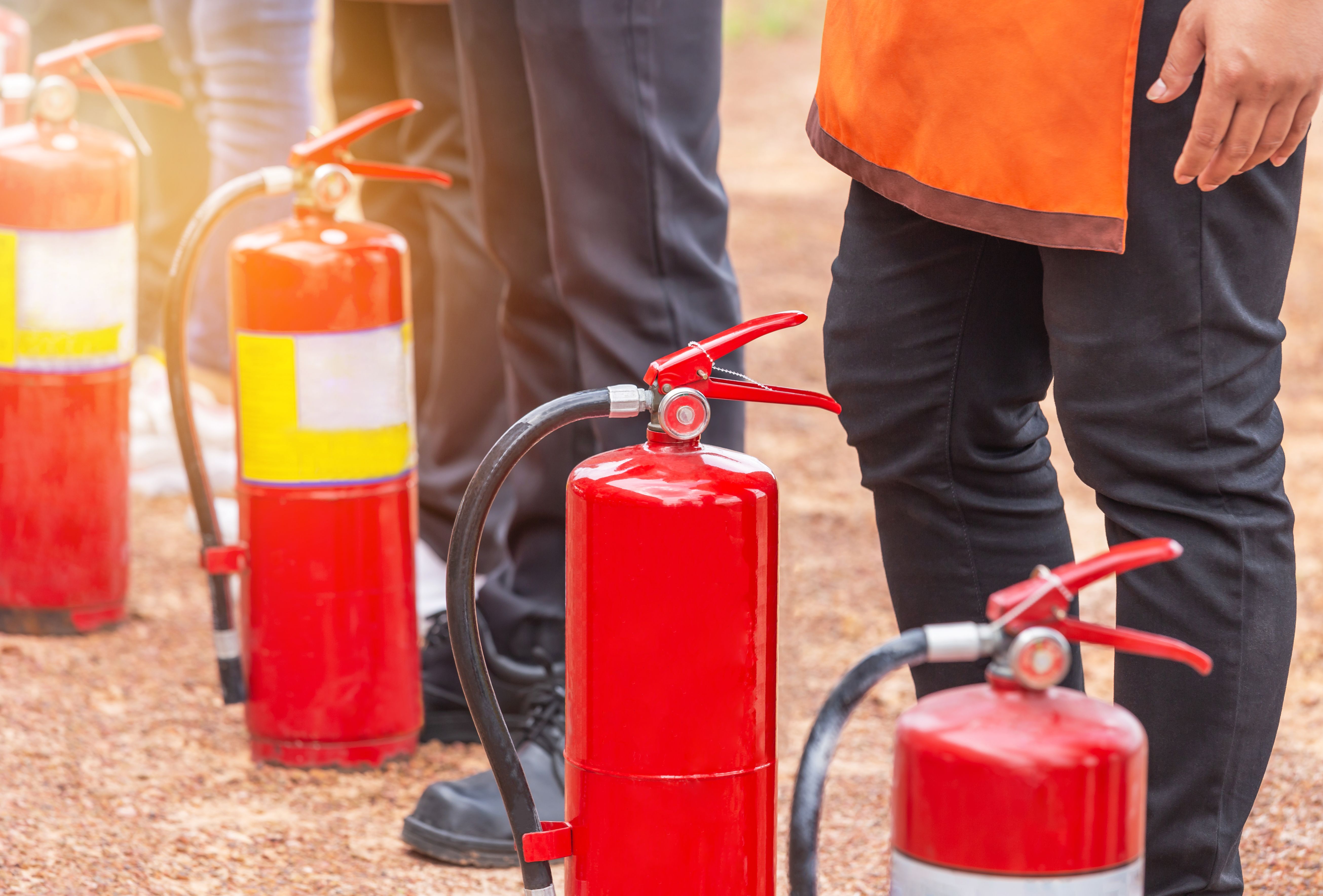
Conducting a thorough risk assessment is essential for effective planning. Identify potential hazards specific to your environment, such as natural disasters, workplace accidents, or health emergencies. Understanding these risks helps tailor your emergency plan to address the most likely scenarios.
After identifying risks, evaluate the resources available to you. This includes medical supplies, trained personnel, and communication systems. Ensure that all necessary equipment is easily accessible and regularly maintained to be in optimal condition when needed.
Building a Comprehensive Emergency Plan
A well-structured emergency plan should cover various aspects, including:
- Communication protocols for alerting emergency services and internal teams.
- Designated roles and responsibilities for staff members during an emergency.
- A clear evacuation plan with designated safe zones.
- Procedures for providing first aid until professional help arrives.
Training and Education
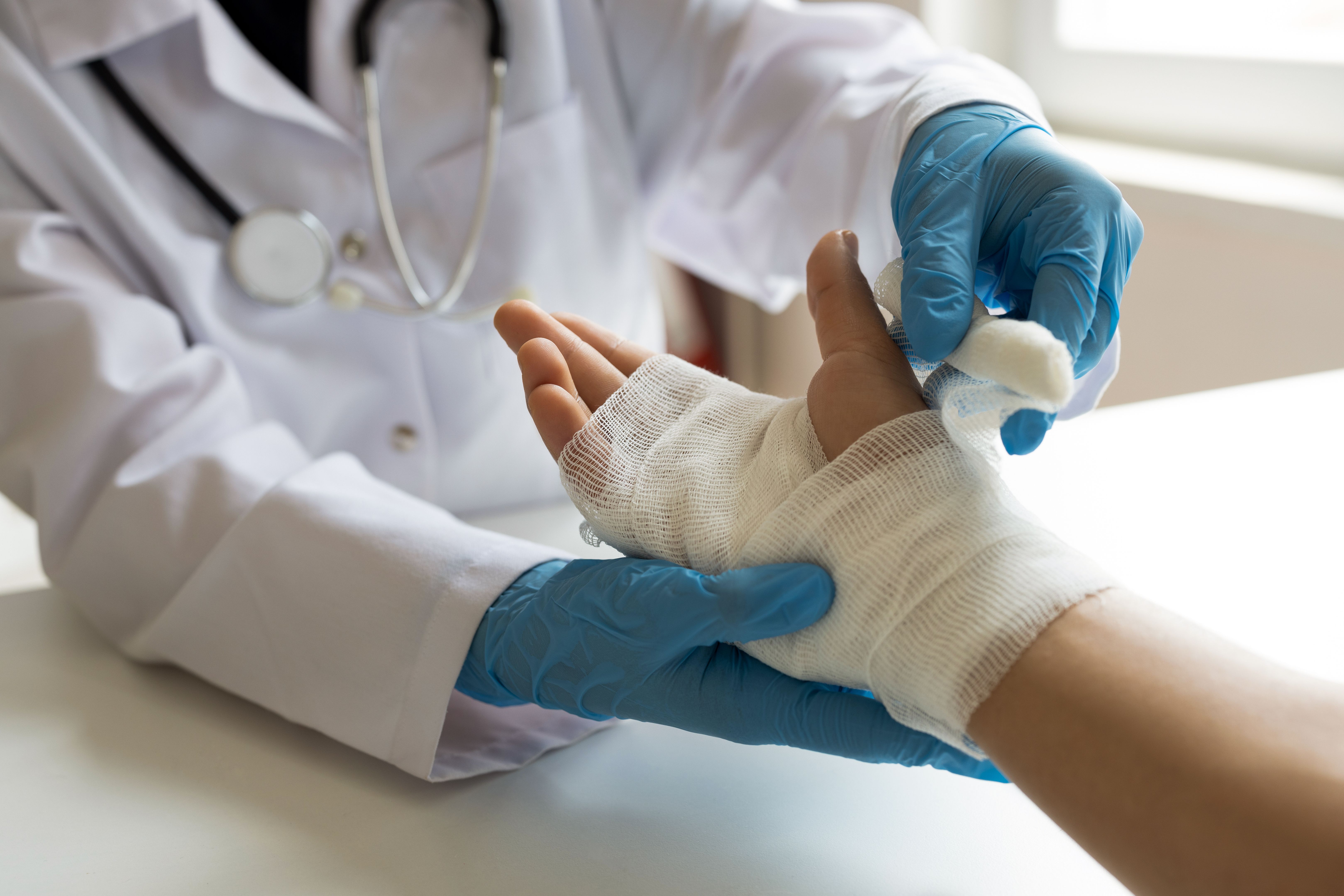
Training is a critical component of emergency medical support planning. Regular workshops and courses on first aid, CPR, and emergency procedures can empower individuals to act confidently during emergencies. Consider partnering with local healthcare providers to offer certified training sessions.
In addition to formal training, maintain an open dialogue about safety and preparedness. Encourage team members to share concerns and suggestions, fostering a culture of continuous improvement.
Leveraging Technology
Technology can play a vital role in enhancing your emergency medical support plan. Utilize apps and software for real-time communication and coordination. Implement systems that allow quick access to medical records and emergency contacts, ensuring swift action when every second counts.

Regular Review and Updates
Emergency plans should be dynamic, evolving documents. Regularly review and update your plan to reflect changes in personnel, infrastructure, and external conditions. Conduct post-incident evaluations to identify areas for improvement and integrate lessons learned into your strategy.
By staying proactive and adaptable, you can ensure your emergency medical support plan remains effective and relevant, providing peace of mind for everyone involved.