
How Mobile Medical Teams Enhance Safety at Large Events


The Role of Mobile Medical Teams
At large events, ensuring the safety and well-being of attendees is a top priority. Mobile medical teams play a crucial role in achieving this goal by providing immediate medical care and intervention when needed. These teams consist of trained medical professionals who are equipped to handle a variety of health emergencies on the spot.
By being strategically positioned throughout the event venue, mobile medical teams can quickly respond to incidents, minimizing the time it takes to deliver care. This rapid response is vital in preventing minor injuries from escalating into serious conditions.
Benefits of Mobile Medical Teams at Events
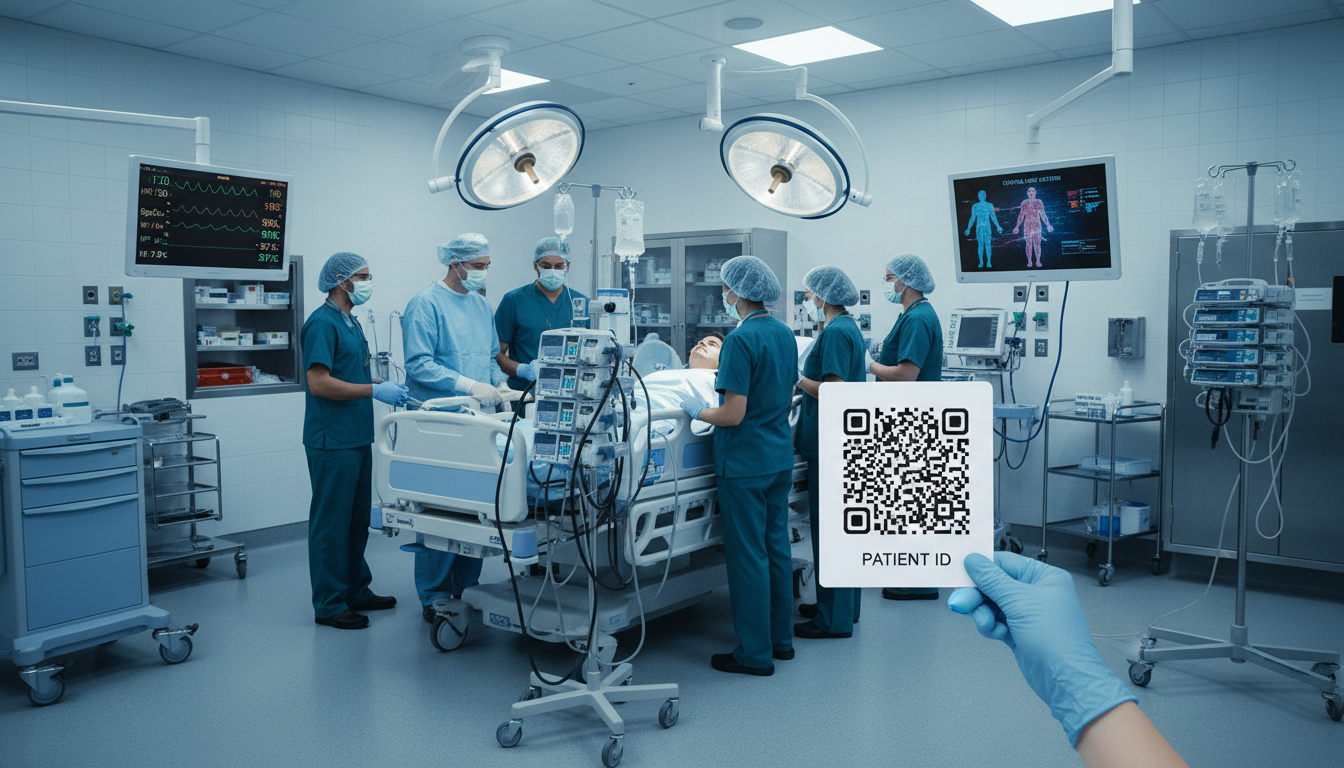
The presence of mobile medical teams offers several key benefits. Firstly, they provide immediate medical attention, which can be lifesaving in critical situations. Secondly, they help reduce the burden on local emergency services, which may be overwhelmed during large events.
Moreover, mobile medical teams can offer a sense of security to attendees. Knowing that professional help is readily available can enhance the overall experience, allowing people to enjoy the event with peace of mind.
Types of Medical Services Provided
Mobile medical teams are equipped to handle a wide range of medical situations. Some of the services they provide include:
- First aid for minor injuries
- Emergency response for critical conditions
- Basic life support and CPR
- Assistance with chronic conditions like asthma or diabetes
Technology and Equipment
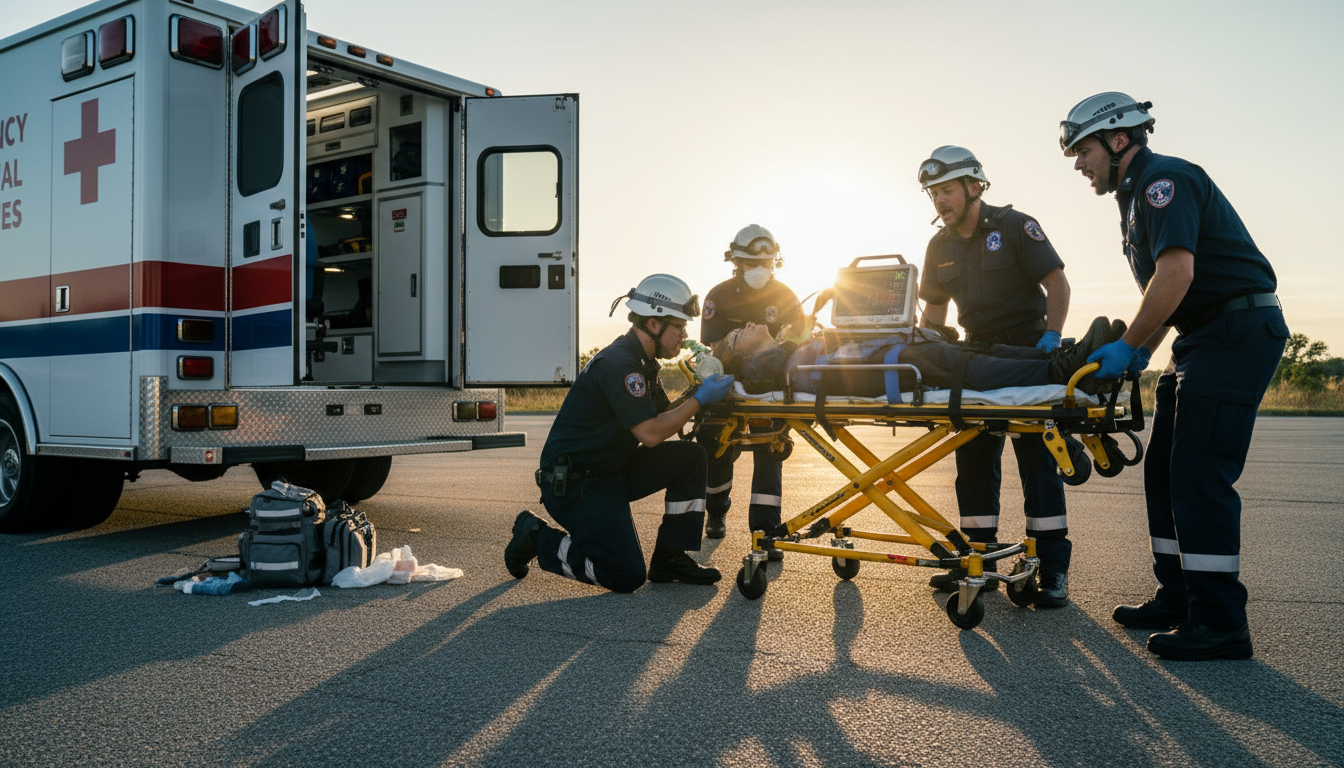
To efficiently manage medical emergencies, mobile medical teams rely on advanced technology and equipment. Portable defibrillators, oxygen tanks, and first aid kits are standard. Additionally, they may use communication devices to stay in contact with event organizers and local hospitals.
The integration of technology allows for faster diagnosis and treatment, which can significantly improve outcomes for patients. Real-time communication also ensures that any necessary evacuations or hospital transfers are coordinated smoothly.
Training and Expertise
The effectiveness of mobile medical teams largely depends on the expertise and training of their members. These professionals are typically certified in emergency medical care and undergo regular training to keep their skills sharp.
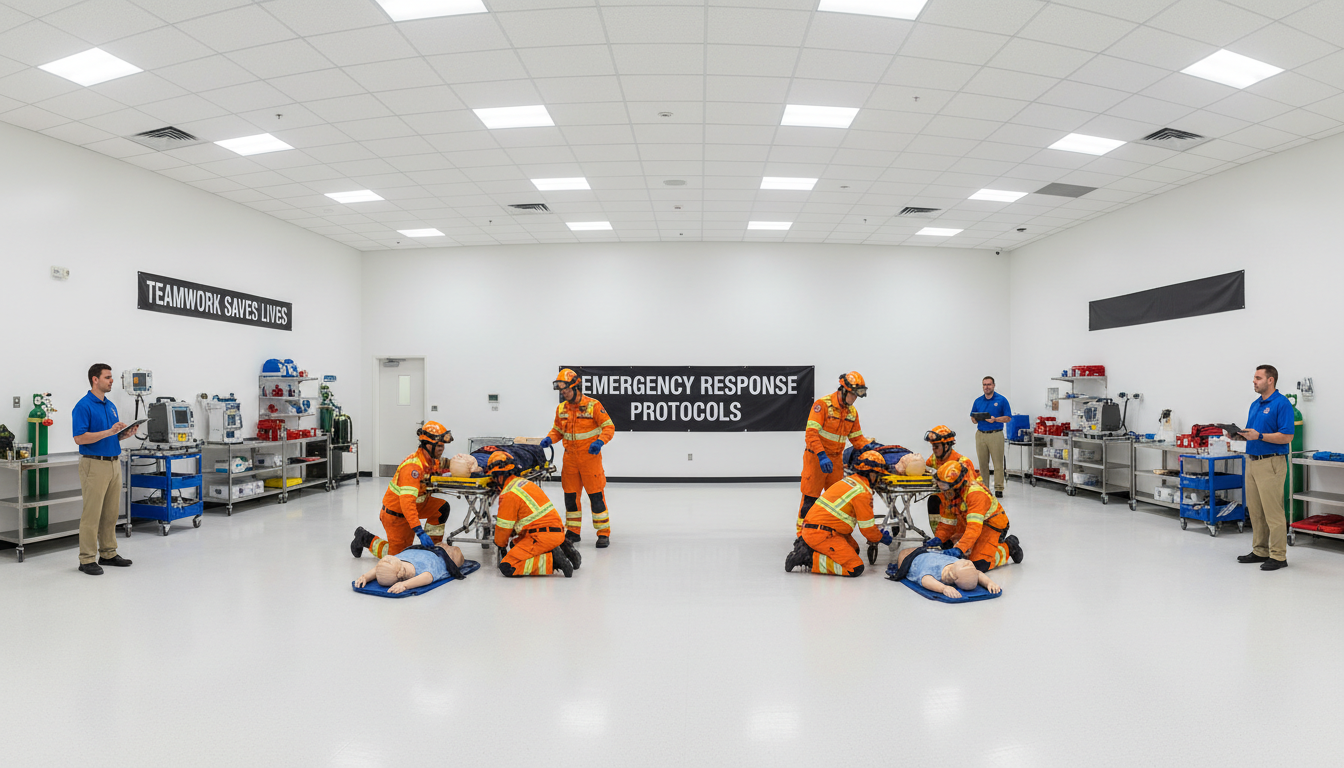
Many teams also engage in scenario-based training exercises that simulate real-life emergencies. This practice helps them remain calm and efficient under pressure, enabling them to provide high-quality care in critical situations.
Collaboration with Event Organizers
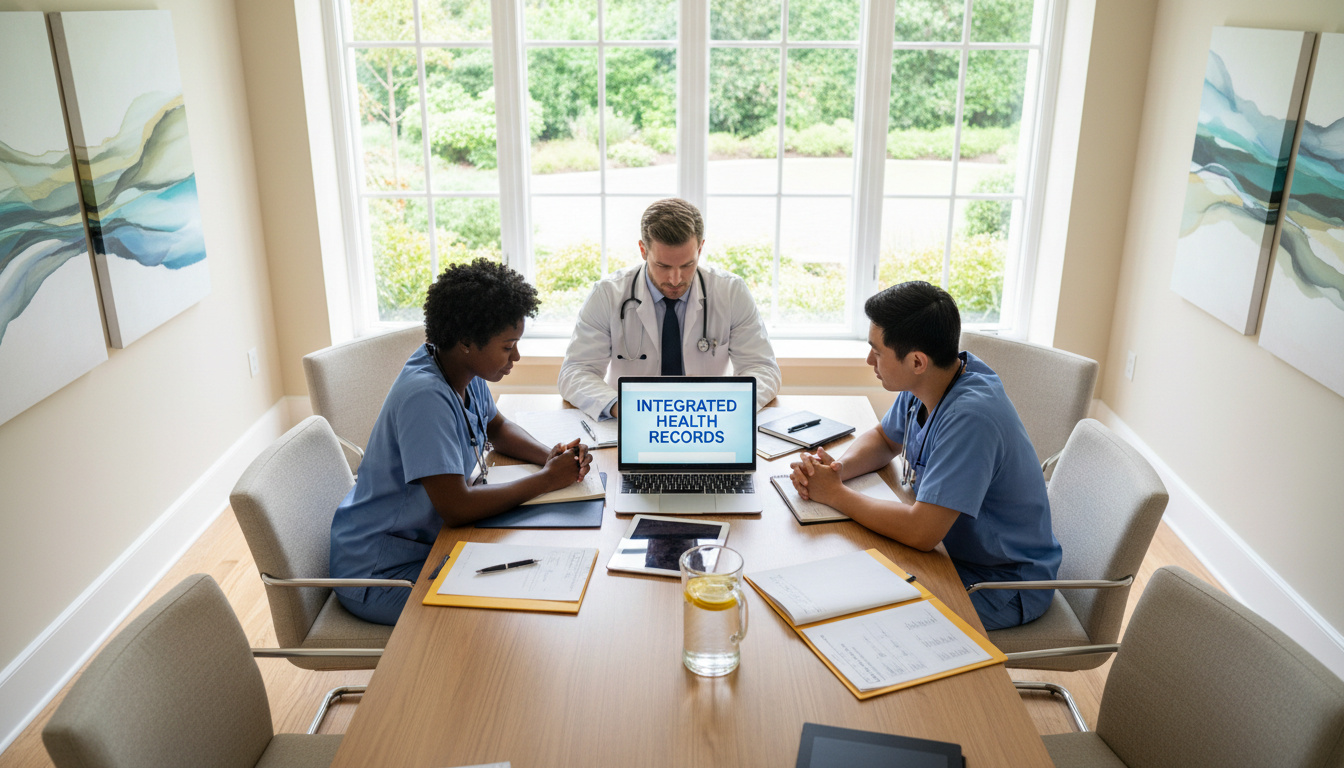
Successful implementation of mobile medical services requires close collaboration with event organizers. Planning begins well before the event, with medical teams conducting risk assessments to identify potential hazards and determine optimal locations for medical stations.
During the event, ongoing communication between medical teams and organizers ensures that any emerging issues are promptly addressed. This collaboration is essential for maintaining a safe environment for all attendees.
Case Studies and Success Stories
There are numerous examples of mobile medical teams enhancing safety at large events. From music festivals to sporting events, these teams have successfully managed a variety of medical emergencies, often preventing serious outcomes.
For instance, at a recent marathon, a mobile medical team was able to quickly treat a participant experiencing heat exhaustion, allowing them to recover rapidly. Such success stories highlight the importance of having dedicated medical support on-site.
Conclusion
Mobile medical teams are an indispensable component of safety management at large events. Their presence ensures that medical emergencies are handled swiftly and efficiently, providing peace of mind to attendees and organizers alike. By integrating advanced technology, expert training, and strategic collaboration, these teams significantly enhance the safety and success of any large-scale gathering.