
How On-Call Paramedics Save Lives: Inside the USA’s Emergency Response


The Critical Role of On-Call Paramedics
In the world of emergency response, on-call paramedics play a crucial role in saving lives. These highly trained professionals are often the first on the scene during medical emergencies, providing essential care that can make the difference between life and death. Whether it's a heart attack, a car accident, or a severe allergic reaction, paramedics are equipped to handle a wide range of medical crises.
Rapid Response and Assessment
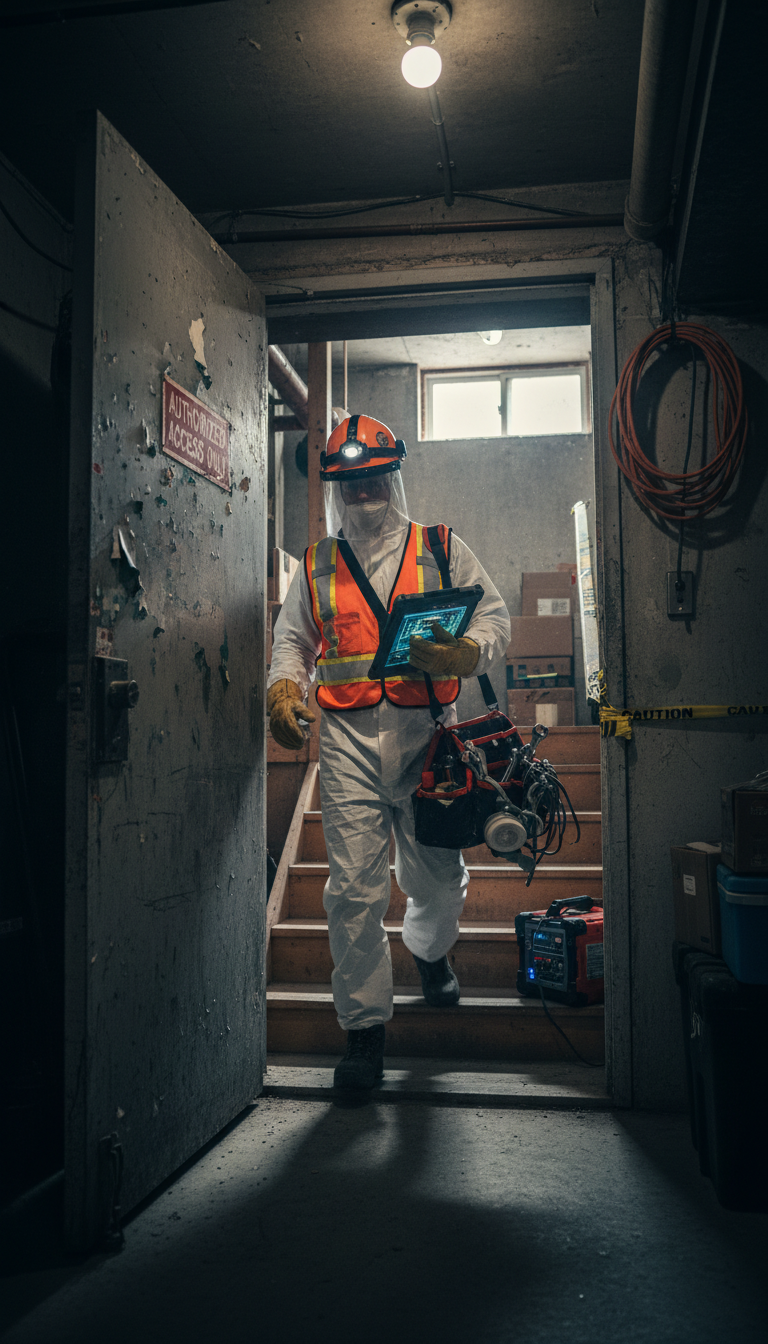
One of the most vital aspects of a paramedic's job is their ability to respond quickly. Time is of the essence in emergencies, and paramedics are trained to assess situations rapidly and accurately. Their swift arrival ensures that patients receive immediate care, which can significantly improve outcomes.
Upon arriving at the scene, paramedics perform a thorough assessment of the patient's condition. They gather critical information, such as vital signs and medical history, which guides their subsequent actions. This rapid assessment is a cornerstone of effective emergency medical care.
Advanced Medical Training
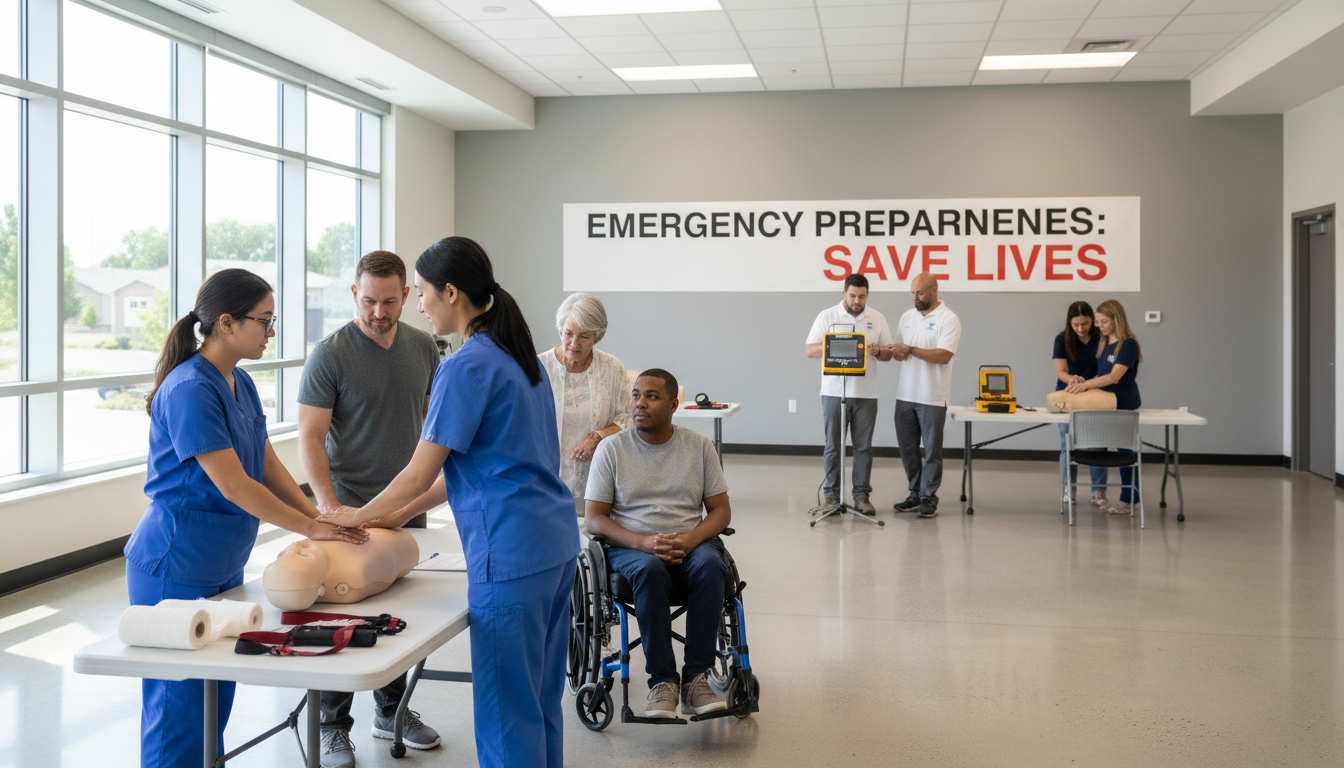
Paramedics undergo extensive training that equips them with advanced medical skills. This training includes airway management, trauma care, and cardiac life support. Their expertise allows them to administer medications, perform life-saving procedures, and stabilize patients for safe transport to medical facilities.
- Administering intravenous fluids and medications
- Performing CPR and defibrillation
- Managing trauma injuries
Their ability to perform these complex tasks in high-pressure situations is a testament to their dedication and skill.
Coordination with Other Emergency Services
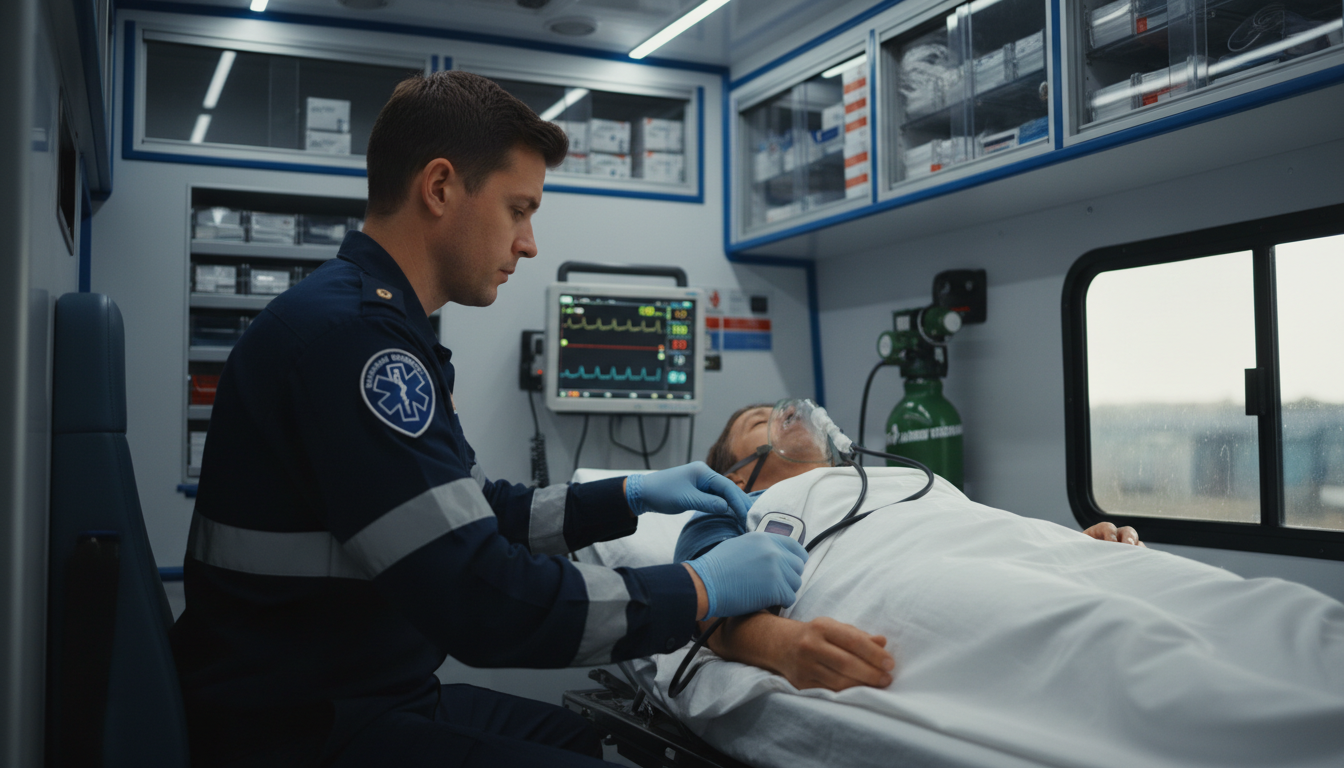
On-call paramedics work closely with other emergency services, such as firefighters and police officers, to ensure a coordinated response. This collaboration is essential for managing emergencies efficiently and effectively. By working together, these teams can provide comprehensive care and support to those in need.
Communication is key in these scenarios, and paramedics are trained to relay important information to hospital staff during patient handovers. This ensures continuity of care and prepares medical teams for the patient's arrival.
The Human Element
Beyond their technical skills, paramedics provide compassionate care and reassurance to patients and their families. Their presence can offer comfort during distressing situations, providing emotional support alongside medical treatment.
Paramedics often witness patients at their most vulnerable, and their ability to remain calm and empathetic is a vital part of their role. This human element is as crucial to emergency response as any medical intervention.

The Impact of On-Call Paramedics
The work of on-call paramedics is indispensable in the USA's emergency response system. Their rapid response, advanced medical training, and ability to coordinate with other emergency services are essential components of saving lives. As first responders, they embody professionalism, compassion, and dedication, consistently rising to the challenge of each new emergency.
Through their tireless efforts, paramedics provide a lifeline to countless individuals, ensuring that medical emergencies are met with the highest standard of care. Their contribution to public health and safety cannot be overstated, making them true heroes in the community.