
How Quick Response Medical Teams Can Save Lives: An Inside Look


The Importance of Quick Response Medical Teams
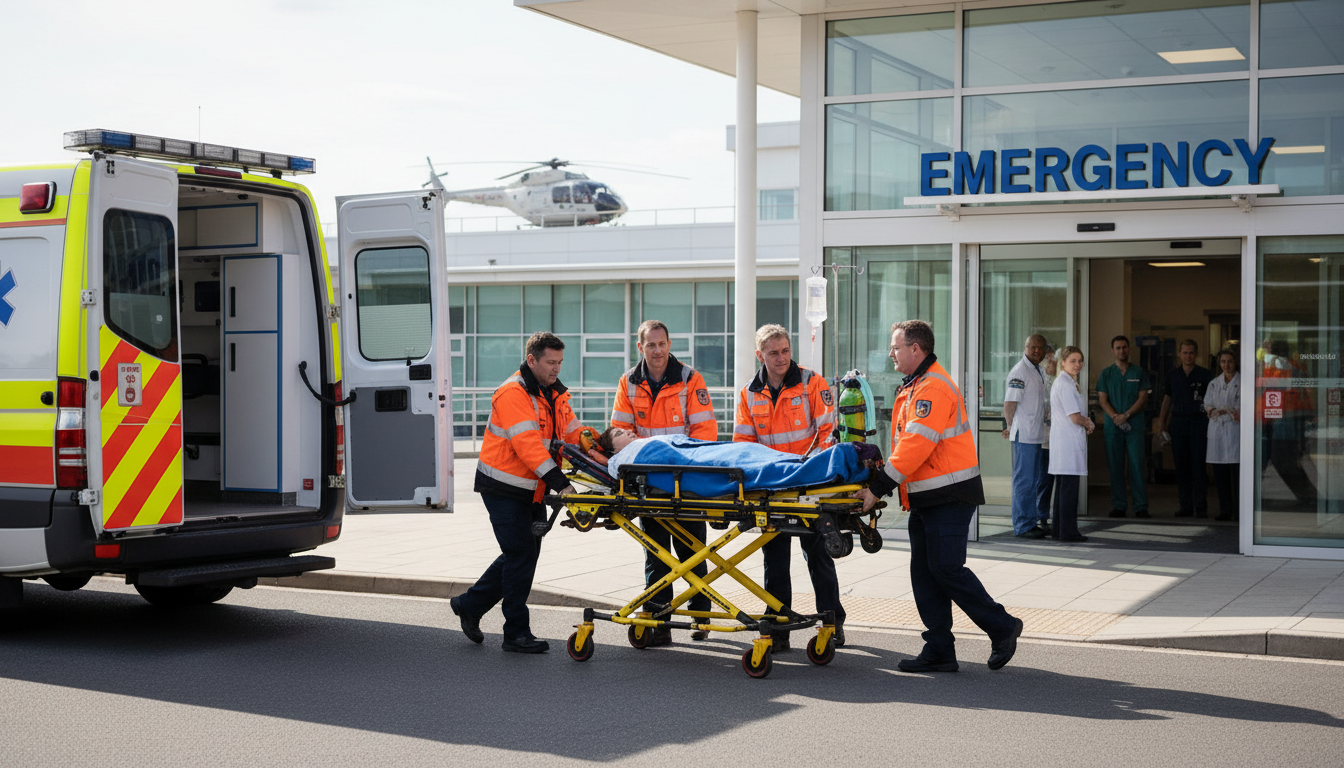
In emergency situations, time is of the essence. Quick response medical teams are crucial in providing immediate care, which can be the difference between life and death. These teams are trained to deliver rapid medical interventions, stabilizing patients and preparing them for transport to healthcare facilities.
Rapid Assessment and Intervention
One of the primary functions of quick response medical teams is to perform rapid assessments of patients. This involves quickly determining the severity of injuries or illnesses and deciding on the best course of action. This swift evaluation is vital in prioritizing care for those who need it most.
Once the assessment is complete, the team can provide immediate interventions. This might include administering medications, performing CPR, or using advanced medical equipment to stabilize the patient. These actions are crucial in preventing further deterioration of the patient's condition.
Advanced Training and Equipment
Quick response medical teams are equipped with advanced training and tools. Members undergo rigorous training programs that prepare them for a wide range of emergency scenarios. Their expertise enables them to make split-second decisions that can save lives.
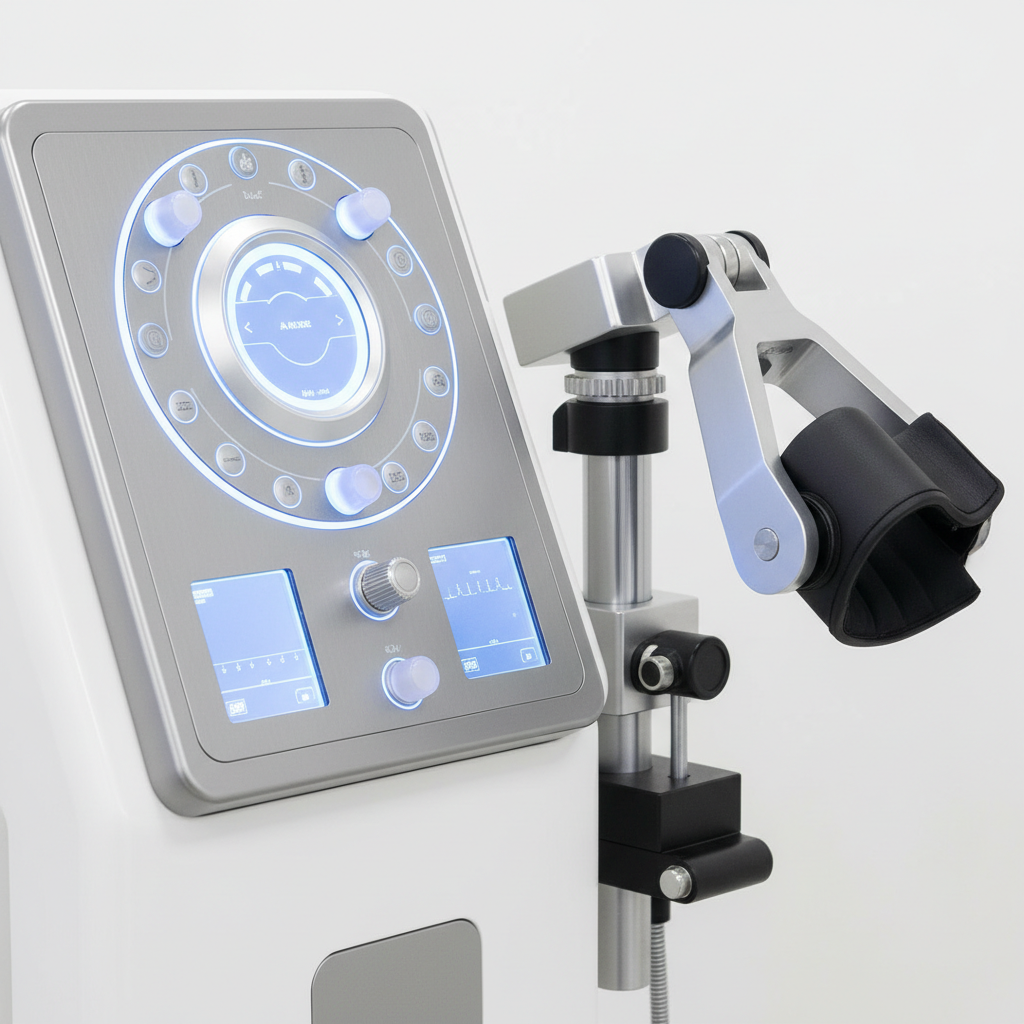
The equipment used by these teams is also top-notch. From portable defibrillators to advanced life support kits, the gear carried by these teams ensures they are prepared for any situation. This combination of training and equipment allows them to effectively handle emergencies.
Collaboration with Other Emergency Services
Quick response medical teams often work closely with other emergency services, such as fire departments and law enforcement. This collaboration ensures a coordinated approach to emergencies, enhancing the efficiency and effectiveness of the response.
By working together, these teams can manage the scene of an emergency more effectively, ensuring that patients receive comprehensive care. This integrated approach is vital in managing complex situations.
The Impact on Survival Rates
The presence of quick response medical teams significantly improves survival rates in emergency situations. According to various studies, patients who receive immediate medical attention have a higher chance of recovery and survival.
These teams not only provide life-saving interventions but also ensure that patients are transported to hospitals in a stable condition, further increasing their chances of survival.
Challenges and Future Developments
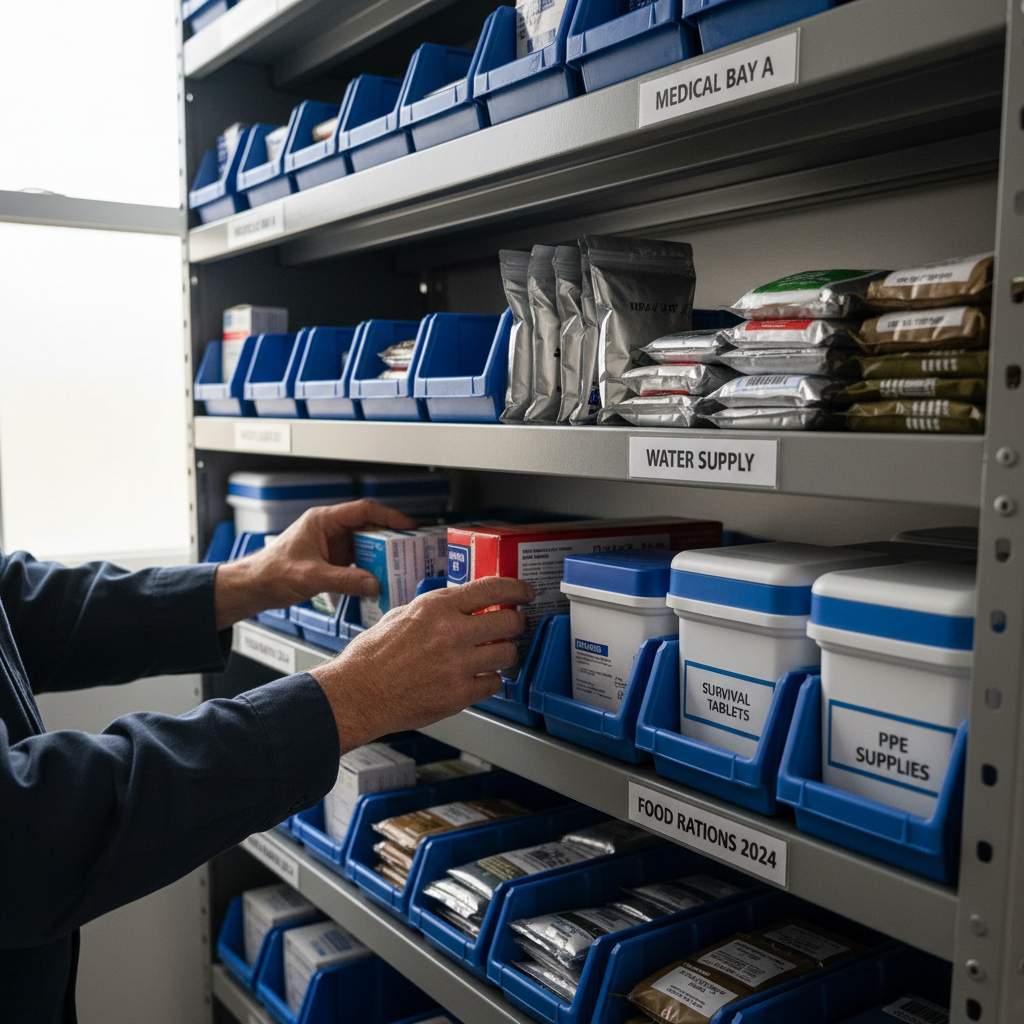
Despite their effectiveness, quick response medical teams face several challenges, such as resource limitations and logistical hurdles. Continuous training and investment in technology are essential to overcome these obstacles.
Future developments in telemedicine and mobile health technologies hold promise for enhancing the capabilities of these teams. By leveraging technology, they can provide even more efficient and effective care in the field.
In conclusion, quick response medical teams are a vital component of emergency medical services. Their ability to provide immediate, life-saving care makes them indispensable in our communities. As technology and training continue to advance, these teams will only become more effective in their mission to save lives.