
How to Choose the Right Event Medical Staffing for Your Needs


Understanding Your Event's Medical Needs
When planning an event, ensuring the safety and well-being of attendees is paramount. One of the key aspects to consider is the medical staffing required. The type of event, its size, and the demographics of attendees all play a crucial role in determining the necessary medical support.
Start by assessing the specific needs of your event. Is it a small corporate gathering, a large music festival, or a sports event? Each type requires different levels of medical attention. For instance, a high-energy concert might need advanced life support, while a corporate event may only require basic first aid.
Consider the Size and Duration of the Event
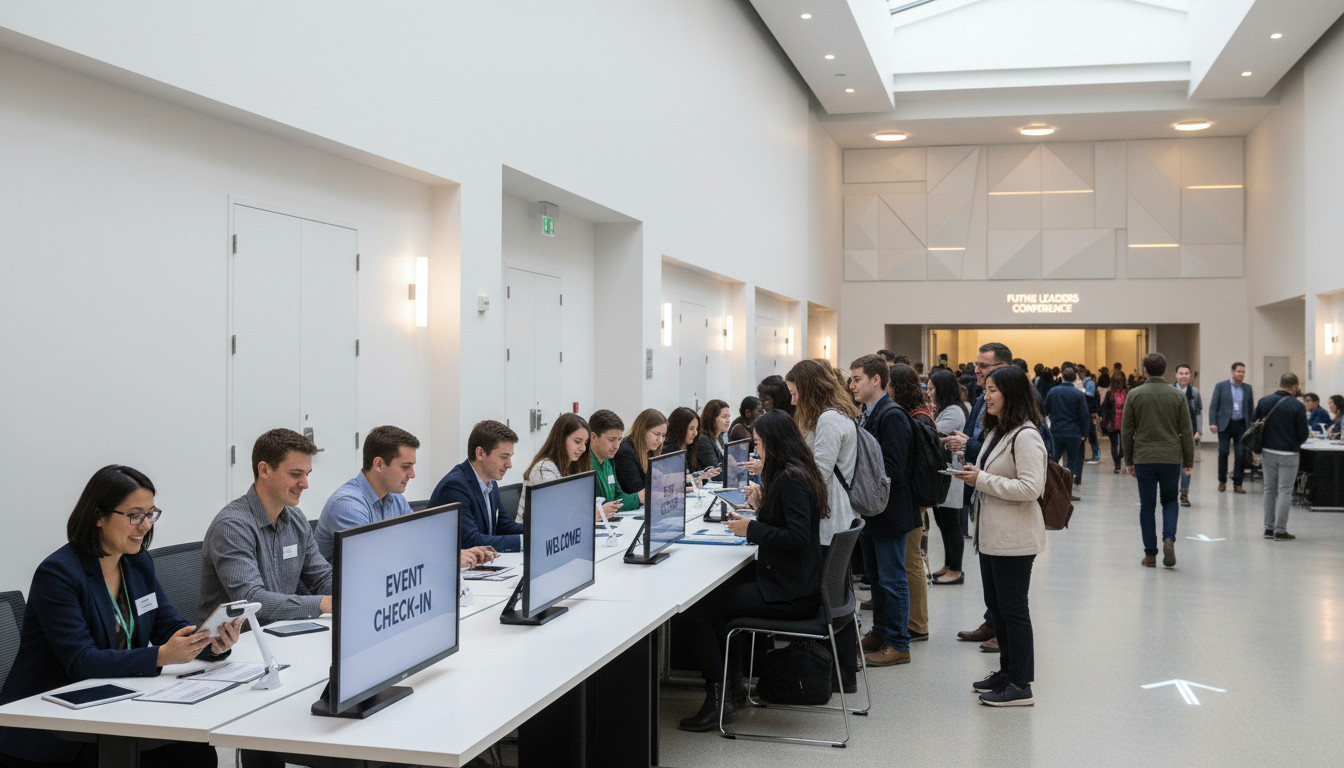
The size and duration of your event significantly impact the number of medical staff needed. Larger events with thousands of attendees will naturally require more personnel compared to smaller gatherings. Similarly, events that span several days may need rotating shifts to ensure continuous coverage.
It's also essential to consider the layout of the venue. Larger or more complex venues might necessitate multiple medical stations to ensure quick access to care in case of emergencies.
Regulatory Requirements and Guidelines
Before hiring medical staff, familiarize yourself with local regulations and guidelines. Different regions may have specific requirements for medical coverage at public events. Understanding these legal obligations will help you avoid potential pitfalls and ensure compliance.
Types of Medical Staff to Consider
Depending on the nature of your event, you may need a combination of various medical professionals. Here are some options to consider:
- First Responders: They provide immediate care and are often the first on the scene.
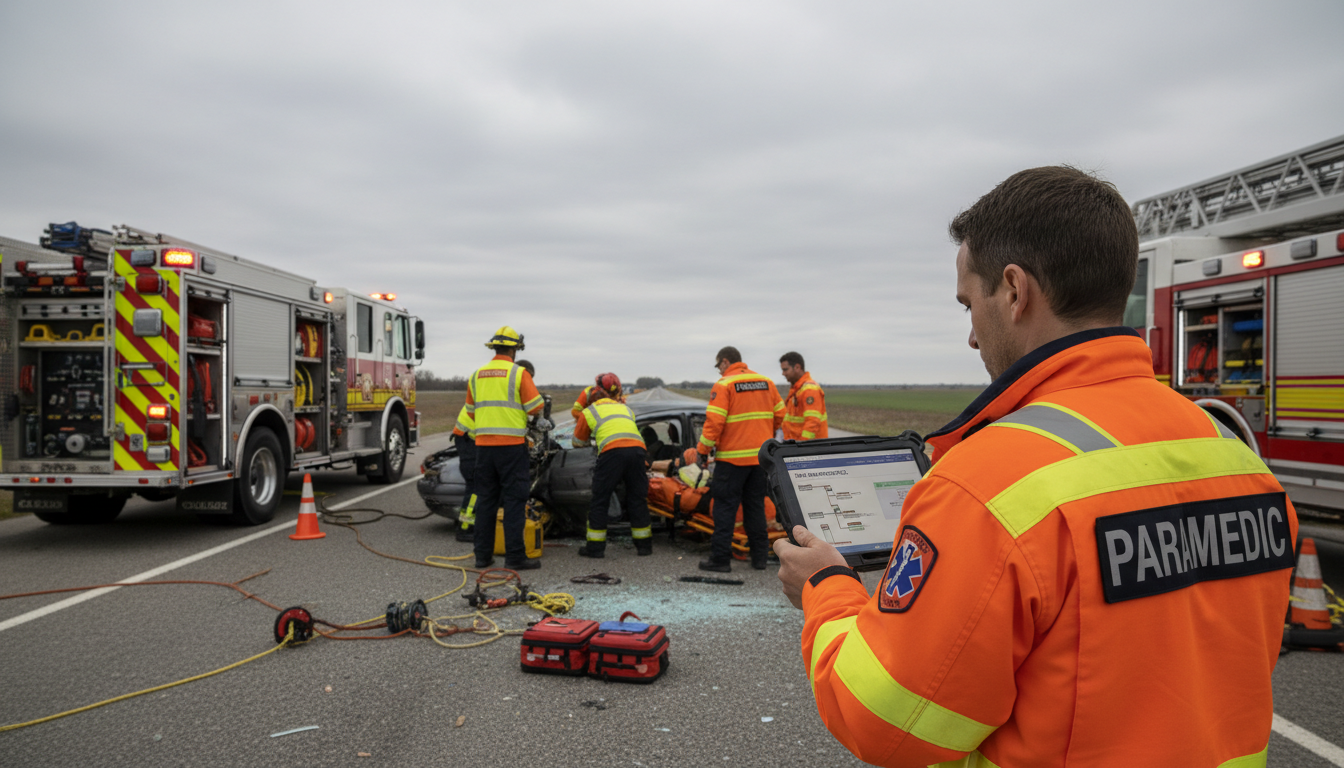
- Paramedics: Equipped to handle more complex medical emergencies with advanced life support.
- Nurses: Ideal for monitoring ongoing health concerns and providing basic care.
- Doctors: Necessary for events with a high risk of serious medical incidents.
Partnering with a Reputable Medical Staffing Agency
Choosing the right agency can make a significant difference in the quality of care provided. Look for agencies with a proven track record, positive client testimonials, and relevant certifications. They should have experience in handling events similar to yours.
Ask for references and conduct interviews with potential candidates. This will give you a sense of their expertise and how well they might integrate with your event team.
Planning for Emergency Situations
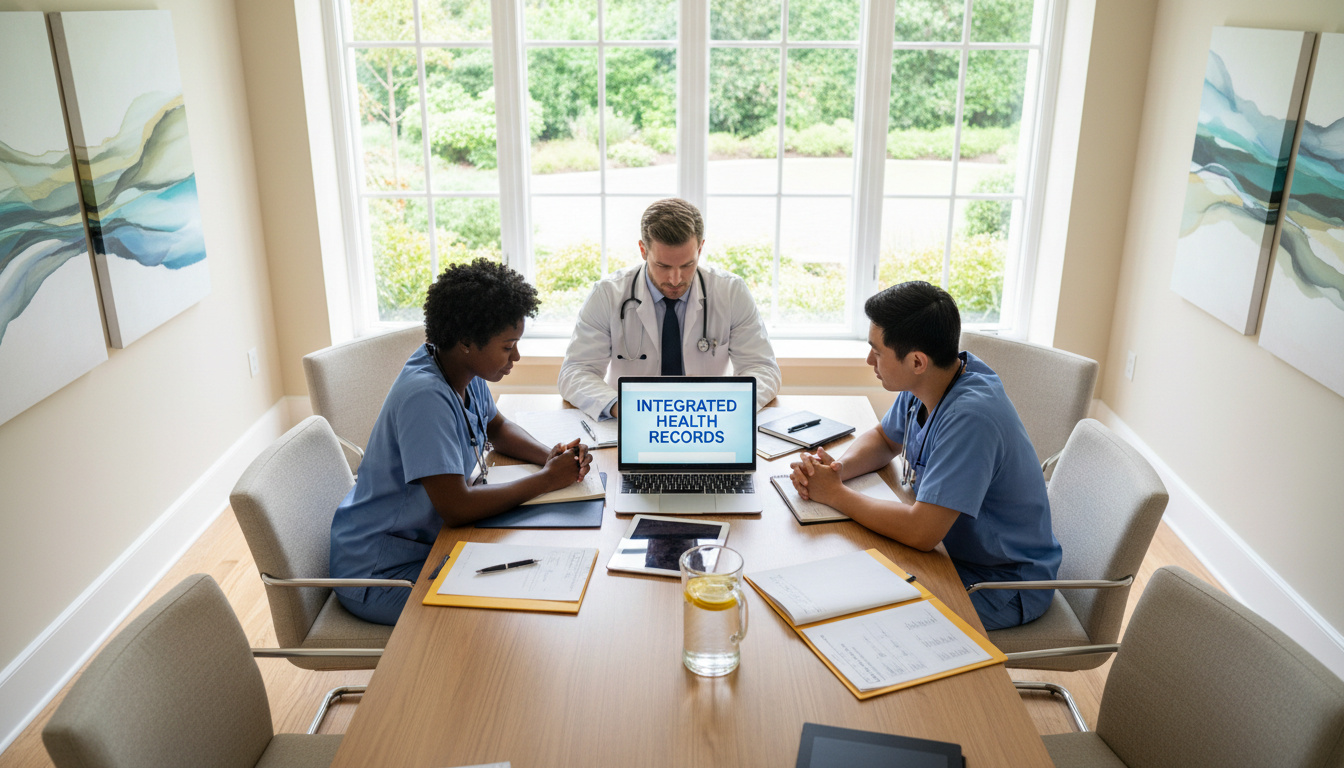
While no one likes to think about worst-case scenarios, being prepared is crucial. Develop a comprehensive emergency response plan that includes clear communication channels and defined roles for each member of the medical team.
Regular drills and training sessions can help ensure that everyone knows what to do in an emergency, reducing response time and potentially saving lives.
Evaluating and Adjusting Your Plan
After the event, take time to evaluate the effectiveness of your medical staffing plan. Gather feedback from both the medical team and attendees. Did they feel safe? Were there any incidents that could have been handled better?
Use this information to adjust and improve your strategy for future events, ensuring the health and safety of all participants.