
How to Plan for Medical Emergencies at Large-Scale Events


Understanding the Importance of Medical Emergency Planning
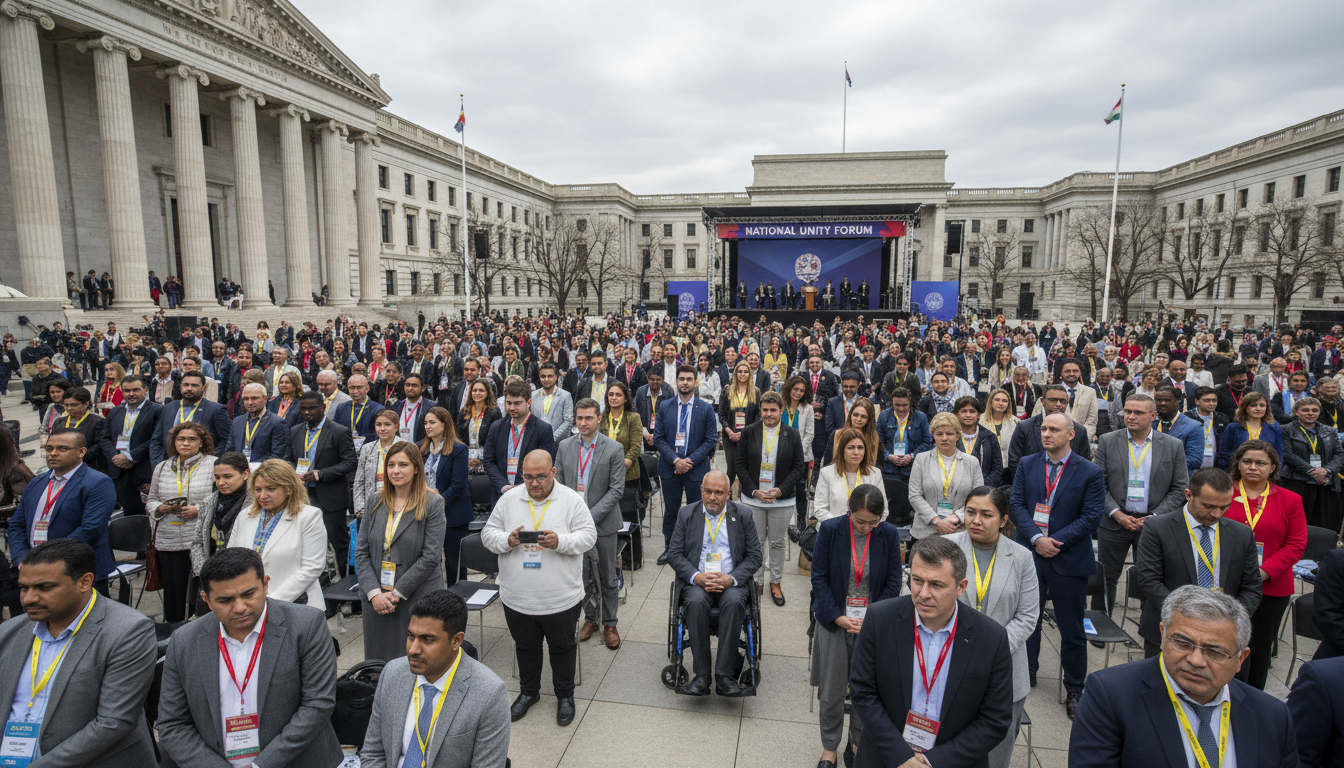
Large-scale events, such as concerts, festivals, and sports competitions, bring together thousands of people. With such a large crowd, the chance of medical emergencies increases. Planning for these situations is crucial to ensure the safety and well-being of all attendees.
Event organizers must be proactive, taking into account potential health risks and emergency scenarios. A well-prepared plan can help minimize response times and improve outcomes for those in need.
Conducting a Risk Assessment
Before planning for medical emergencies, conduct a thorough risk assessment. This involves identifying potential hazards and understanding the specific needs of your event. Consider factors such as the type of event, expected attendance, location, and weather conditions.
Engaging with local health authorities and emergency services during the planning phase can provide valuable insights. They can offer guidance on potential risks and how to address them effectively.
Establishing a Medical Response Team
Having a dedicated medical response team onsite is crucial. This team should include trained professionals such as paramedics, nurses, and doctors. Their presence ensures that any medical issues are addressed promptly and efficiently.
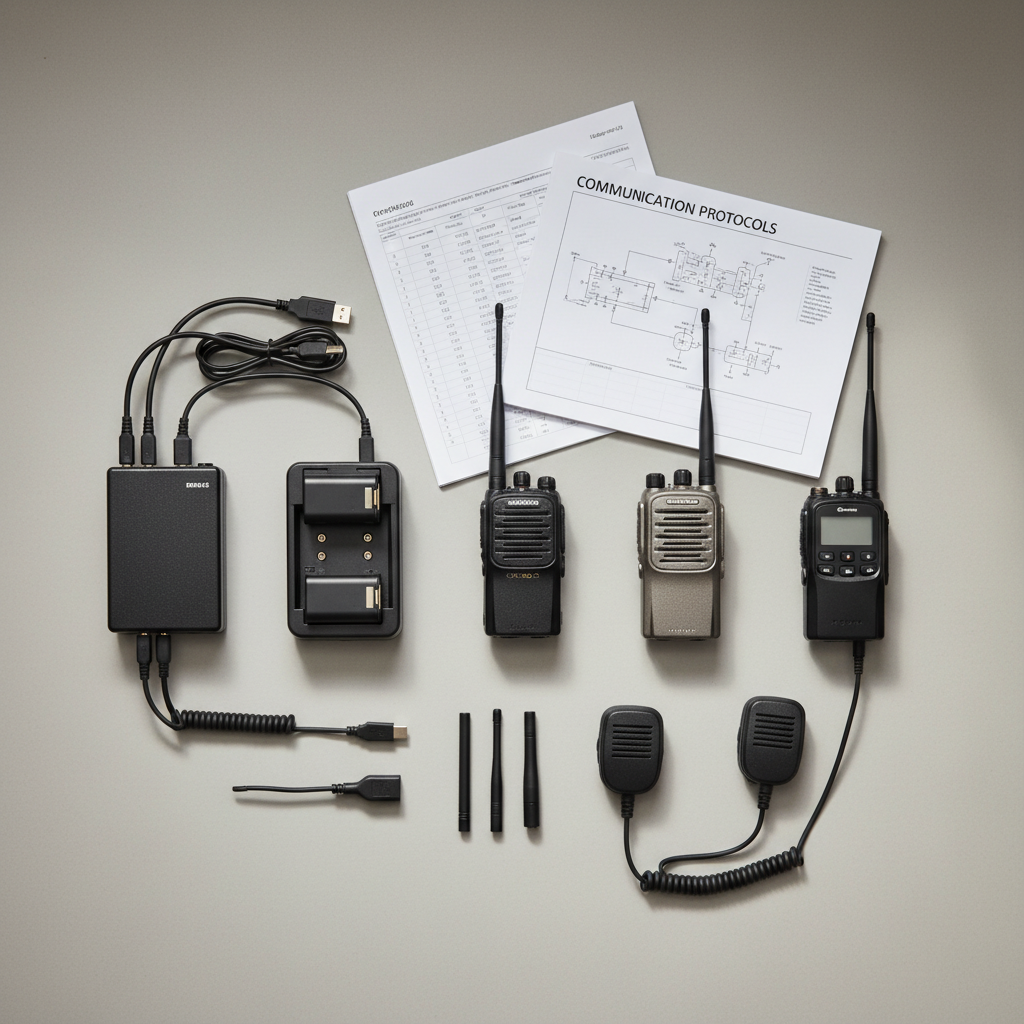
It's essential to ensure that the team is well-equipped with necessary medical supplies and equipment. This includes first aid kits, defibrillators, and communication devices.

Strategic Placement of Medical Stations
Strategically placing medical stations throughout the event venue is vital. These stations should be easily accessible and clearly marked. Consider using signs and maps to guide attendees to these locations.
The positioning of medical stations should take into account high-traffic areas and potential risk zones. This ensures that help is never far away in case of an emergency.
Effective Communication Strategies
Clear and effective communication is key to managing medical emergencies. Ensure that all staff and volunteers are aware of emergency protocols and know how to contact the medical team quickly.
Utilize technology such as mobile apps and public address systems to keep attendees informed about safety measures and how to seek assistance if needed.
Training and Drills
Regular training and drills for staff and volunteers can make a significant difference in emergency response. These exercises help ensure everyone knows their roles and responsibilities during a crisis.
Simulating real-life scenarios can improve coordination among team members and identify any gaps in your emergency plan.
Coordination with Local Emergency Services
Establishing a strong relationship with local emergency services is essential. This coordination ensures a seamless response in case external assistance is required.
Provide them with details about the event, including layout, expected attendance, and contact information, to facilitate a quicker response time if their services are needed.
Review and Improve Your Plan
After the event, review the effectiveness of your medical emergency plan. Gather feedback from the medical team, staff, and attendees to identify areas for improvement.
Continual evaluation and updates to your plan will ensure better preparedness for future events. This proactive approach helps maintain high safety standards and enhances the overall experience for attendees.