
Preparing for Seasonal Events: Top Tips for Medical Readiness


Understanding the Importance of Medical Readiness
As the seasons change, so do the risks and challenges to our health. Whether it's the flu season in winter or allergies in spring, being medically prepared for seasonal events is crucial. Understanding the specific health risks associated with each season can help you stay one step ahead and ensure your well-being.
Medical readiness involves more than just having a first aid kit on hand. It requires a proactive approach to health management, including awareness of potential illnesses and knowing when and where to seek medical assistance.
Stocking Up on Essential Supplies
One of the fundamental steps in preparing for seasonal events is to stock up on essential medical supplies. Here are some items you should consider:
- Over-the-counter medications for common illnesses like colds and flu
- Prescription medications, ensuring you have enough to last the entire season
- Basic first aid supplies, including bandages, antiseptics, and pain relievers
Having these supplies readily available can make a significant difference in how effectively you manage minor health issues at home.
Vaccinations and Preventative Measures
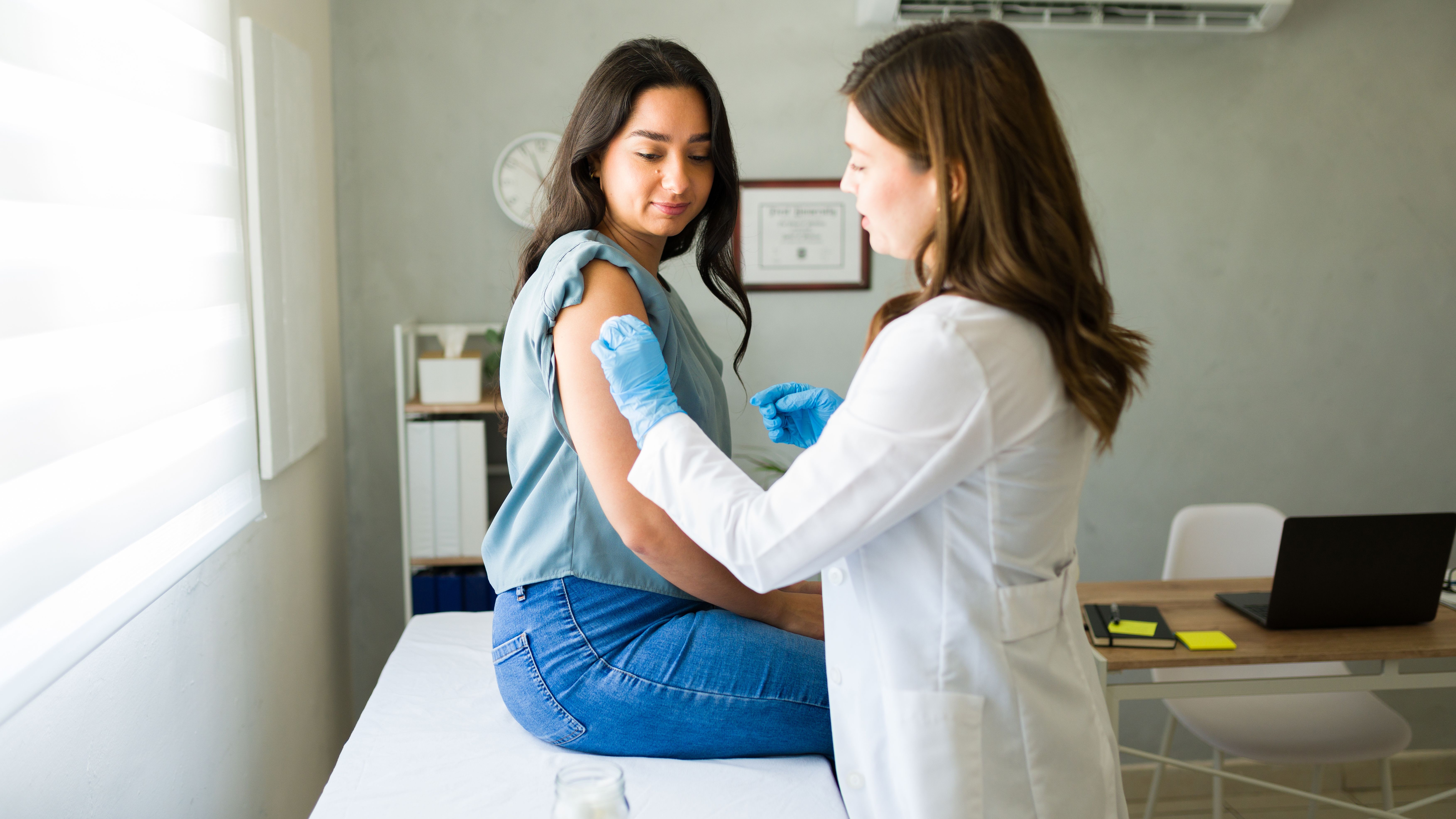
Vaccinations are a powerful tool in preventing seasonal illnesses. Ensuring you and your family are up-to-date on vaccines, such as the flu shot, can significantly reduce the risk of contracting and spreading diseases.
Beyond vaccinations, adopting preventative measures such as regular handwashing, wearing masks, and maintaining a healthy diet can bolster your immune system and help protect you from seasonal ailments.
Managing Allergies and Environmental Triggers
Allergies are a common issue that many face during certain seasons. Identifying your triggers and managing them effectively can alleviate symptoms and improve your quality of life.
Consider consulting with a healthcare professional to develop a tailored plan that may include allergy medications, air filters, and lifestyle adjustments to minimize exposure to allergens.
Preparing for Weather-Related Emergencies
Extreme weather conditions can pose significant health risks. Preparing for events such as heatwaves, hurricanes, or snowstorms involves more than just having the right clothing.
Ensure you have an emergency kit ready, which should include water, non-perishable food, blankets, and a flashlight. Staying informed about weather forecasts and having a plan for evacuation or sheltering in place is equally important.
When to Seek Medical Help
Knowing when to seek professional medical help is a critical aspect of medical readiness. While many conditions can be managed at home, certain symptoms should not be ignored. These include:
- Persistent high fever
- Shortness of breath
- Severe allergic reactions
Understanding the signs that require professional intervention can prevent complications and ensure timely treatment.
Educating Your Family and Community
Education plays a vital role in medical readiness. Sharing knowledge about seasonal health risks and preparedness strategies can empower others to take action.
Consider organizing a community workshop or family meeting to discuss and plan for upcoming seasonal health challenges. This collaborative approach ensures everyone is informed and prepared.

Conclusion
Preparing for seasonal events is an ongoing process that involves planning, education, and proactive health management. By following these tips, you can enhance your medical readiness and ensure a healthier, safer season for you and your loved ones.