
Quick Response Medical Teams: What to Expect and How They Operate


In emergency situations, time is of the essence. Quick Response Medical Teams are essential in providing immediate care and stabilizing patients before they reach a hospital. These teams are strategically deployed to ensure rapid intervention, often making the difference between life and death.
What Are Quick Response Medical Teams?
Quick Response Medical Teams consist of highly trained healthcare professionals, including paramedics, nurses, and doctors. They are equipped to handle a variety of emergencies, from cardiac arrests to trauma incidents. Their primary goal is to provide immediate care and stabilize patients on-site or during transport to a medical facility.
These teams are often deployed in ambulances, helicopters, or even on foot in crowded or inaccessible areas. The versatility of their operations allows them to adapt to different scenarios, ensuring that help is available when and where it is needed most.
How Do They Operate?
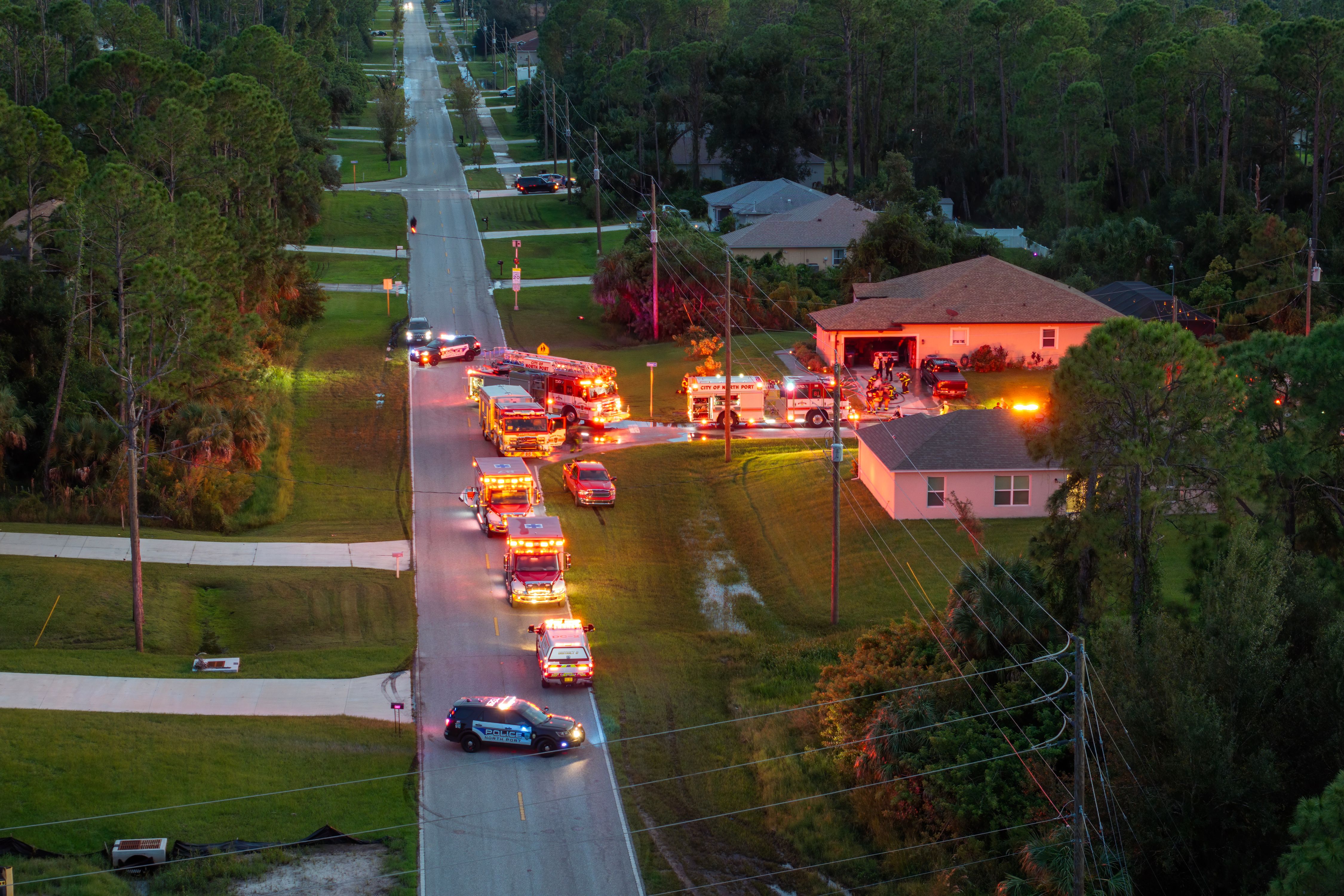
Quick Response Medical Teams are always on standby, ready to be dispatched within moments of an emergency call. They operate under a structured protocol to ensure efficiency and effectiveness. Communication with dispatch centers is crucial, as it allows teams to receive real-time updates about the situation and patient condition.
Deployment and Arrival
Upon receiving a call, the team is dispatched to the scene with optimal speed. They utilize GPS and other navigation tools to reach the location as quickly as possible. Upon arrival, they assess the situation, prioritize care for those in critical need, and begin immediate interventions.

On-Site Care and Stabilization
Once on-site, the team performs a thorough assessment to determine the best course of action. This may involve administering life-saving medications, performing CPR, or using advanced equipment such as defibrillators. Their objective is to stabilize patients before transport.
Communication with hospitals is maintained throughout, ensuring that the receiving facility is prepared for the patient's arrival and can continue the necessary treatment without delay.
Training and Equipment
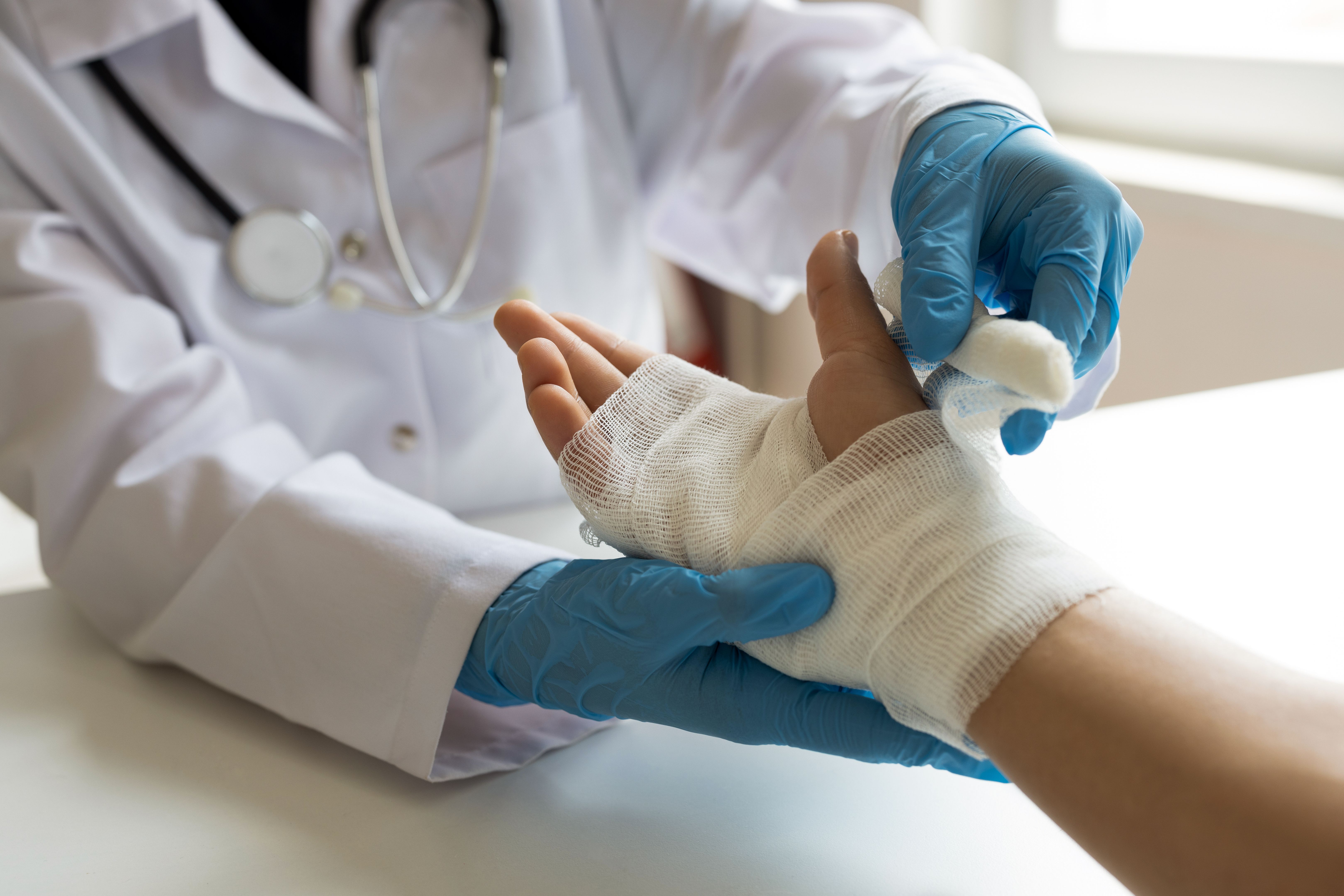
The effectiveness of Quick Response Medical Teams relies heavily on their training and equipment. Team members undergo rigorous training programs that cover a wide range of medical emergencies. They are skilled in trauma care, cardiac life support, and pediatric emergencies, among others.
- Advanced medical equipment, including portable ventilators and ECG monitors
- Medications for pain relief, asthma, allergic reactions, and more
- Communication devices to coordinate with hospitals and dispatch centers
Each piece of equipment is essential for providing the highest level of care and ensuring that patients receive the necessary interventions promptly.
Benefits of Quick Response Medical Teams
The presence of Quick Response Medical Teams in a community can significantly improve survival rates in emergency situations. Their ability to deliver immediate care helps reduce the severity of injuries and complications, ultimately saving lives.
Moreover, these teams provide peace of mind to communities, knowing that professional help is just a call away. Their quick and efficient response helps maintain public confidence in emergency medical services and enhances overall community health outcomes.