
The Role of Emergency Medical Support in Large Events


Understanding the Need for Emergency Medical Support
Large events, whether concerts, sports games, or festivals, attract thousands of people. With such gatherings, the probability of medical emergencies increases. Having a reliable emergency medical support team in place is not just a precaution—it's a necessity. These teams are trained to handle a range of situations, ensuring the safety and well-being of all attendees.
Event organizers must prioritize emergency medical support in their planning process. This includes assessing the potential risks associated with the event type and size, and preparing accordingly. By doing so, they can significantly reduce the response time to any incidents that may occur.
Key Responsibilities of Medical Support Teams
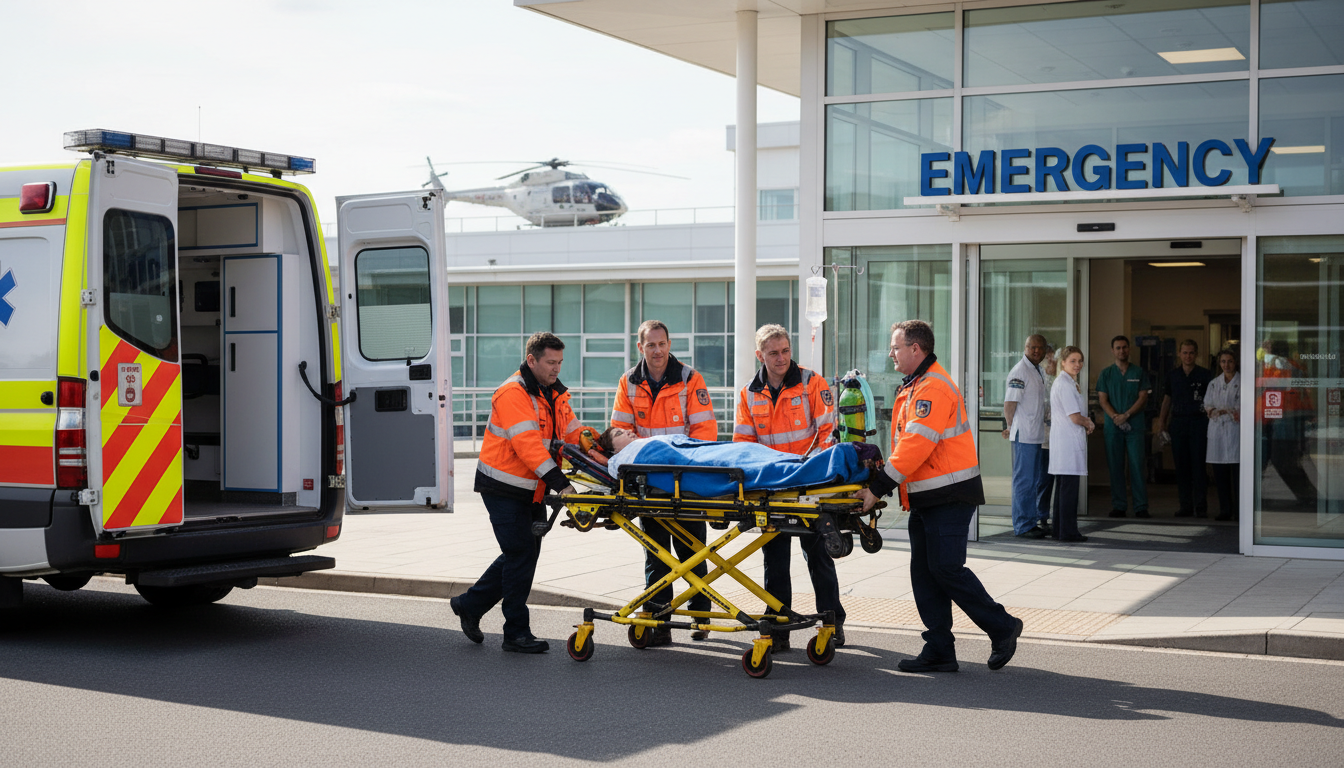
Emergency medical teams play several crucial roles during large events. Their primary responsibility is to provide immediate medical care to anyone in need. This can range from treating minor injuries to managing more severe health crises. Quick intervention can often mean the difference between life and death.
Additionally, these teams are tasked with coordinating with local hospitals and emergency services to ensure a seamless transfer of patients if necessary. They must also be equipped to handle a variety of medical situations, as the needs can vary widely depending on the event and the demographic of attendees.
Strategic Placement and Equipment
Strategic placement of medical support stations is key to effective emergency response. These stations should be easily accessible and well-marked, allowing attendees to quickly locate them in the event of an emergency. Placing them at key points throughout the venue ensures that help is never far away.
Equipping these stations with the necessary medical supplies is equally important. This includes first aid kits, defibrillators, and other essential medical equipment. The availability of such resources ensures that medical teams can respond swiftly and effectively to any situation that arises.
Training and Communication
Proper training of medical support staff is vital. They must be skilled in first aid, CPR, and other emergency response techniques. Regular drills and simulations help keep their skills sharp and ensure they're prepared for any scenario.
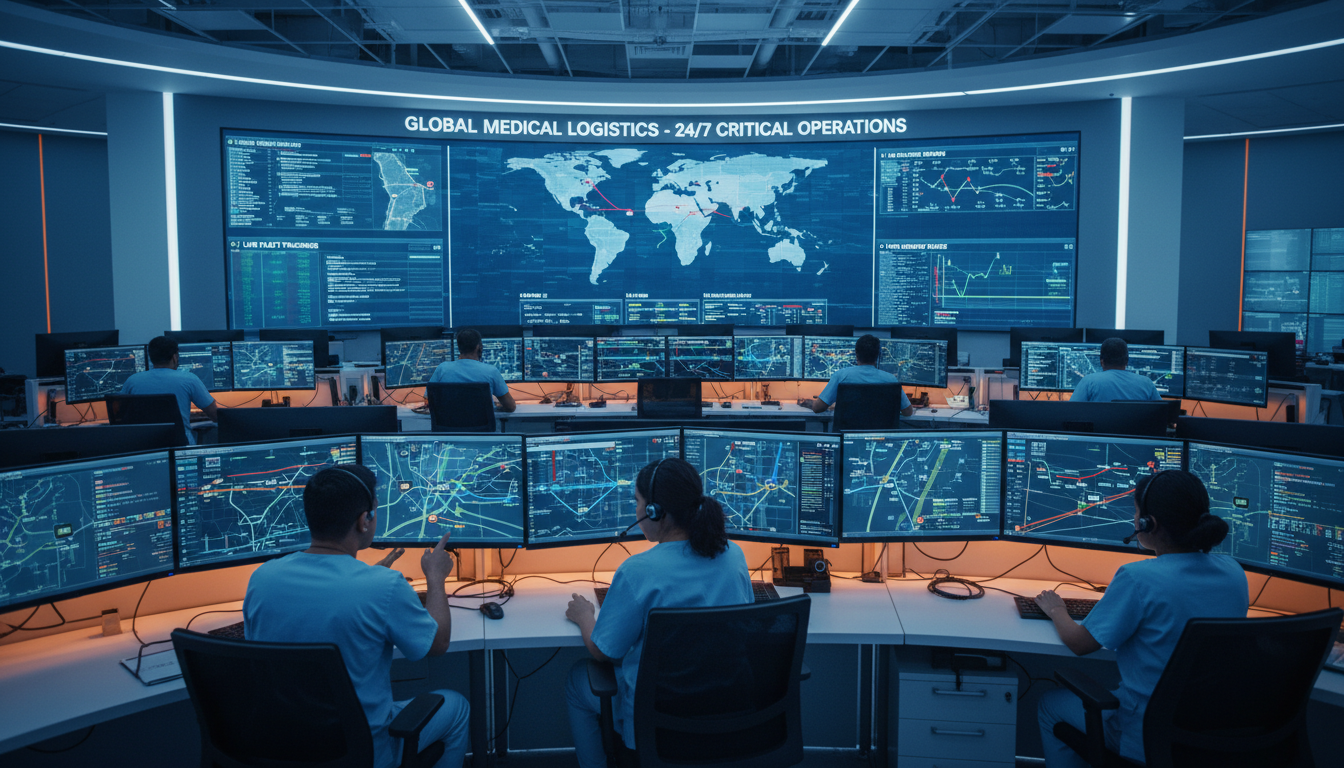
Effective communication is another critical component. Medical teams must maintain clear lines of communication with event organizers, security personnel, and local emergency services. This coordination helps manage the flow of information and resources, ensuring a timely and efficient response.

The Impact on Event Success
Having a competent emergency medical support team not only ensures the safety of attendees but also contributes to the overall success of the event. Attendees are more likely to feel secure and enjoy the event when they know that help is readily available if needed.
Moreover, a well-managed medical emergency can enhance the event's reputation, showing that the organizers prioritize the health and safety of their guests. This can lead to increased trust and loyalty among attendees, potentially boosting attendance at future events.
Conclusion
In conclusion, the role of emergency medical support in large events cannot be overstated. It requires thorough planning, strategic placement, and well-trained personnel to effectively manage any medical emergencies that may arise. By prioritizing these aspects, event organizers can ensure a safe and enjoyable experience for everyone involved.