
Top Myths About USA Medical First Aid Debunked


Understanding First Aid Myths
When it comes to first aid, there's a lot of information out there, but not all of it is accurate. In the USA, misconceptions about medical first aid can lead to ineffective or even harmful actions in emergency situations. Let's address some of these myths and set the record straight.
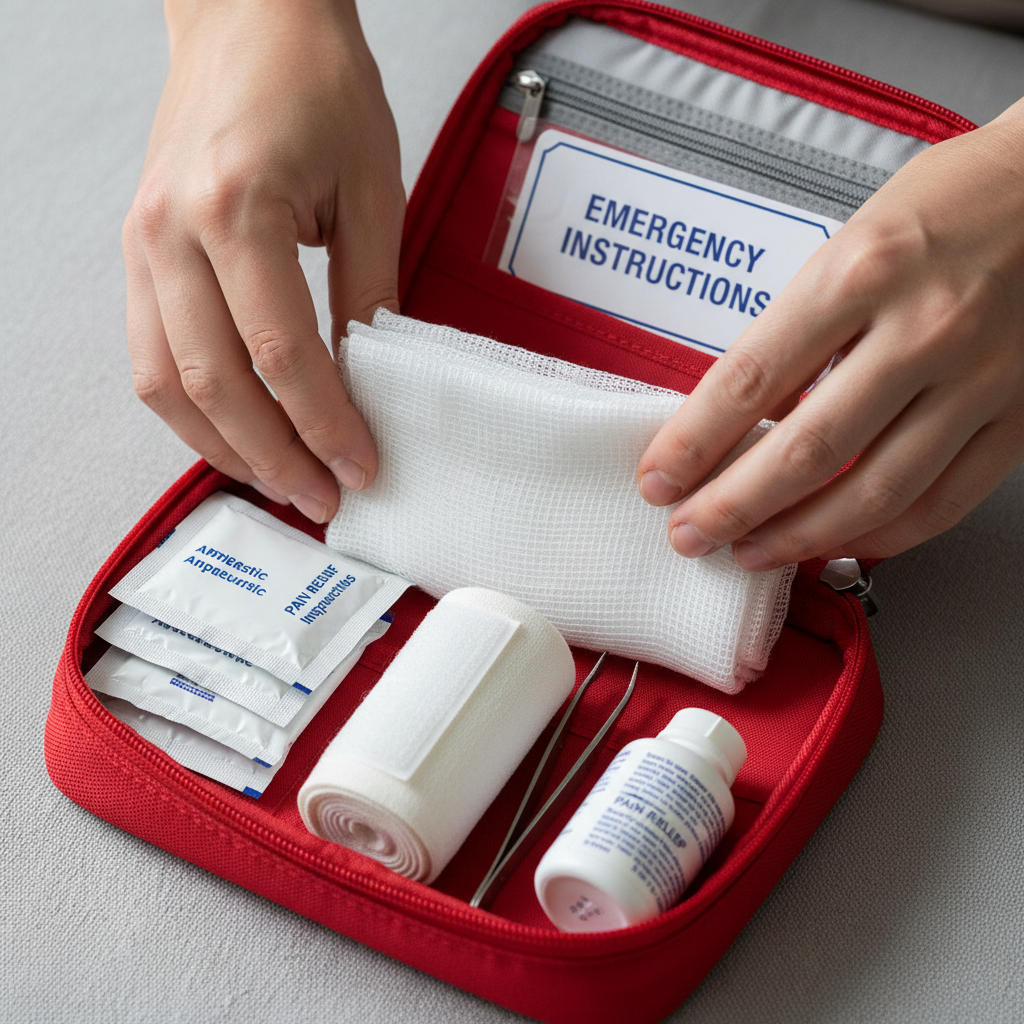
Myth 1: You Should Always Apply Heat to Injuries
A common misconception is that applying heat can help with injuries like sprains or strains. In reality, using ice is more effective in the initial stages. Ice helps reduce swelling and numbs the pain, while heat can increase inflammation and discomfort.
Myth 2: CPR Will Always Restart the Heart
Many people believe that performing CPR will automatically restart a stopped heart. The truth is, CPR's primary function is to maintain blood flow to the brain and vital organs until professional help arrives. It does not always restart the heart but significantly increases the chances of survival.
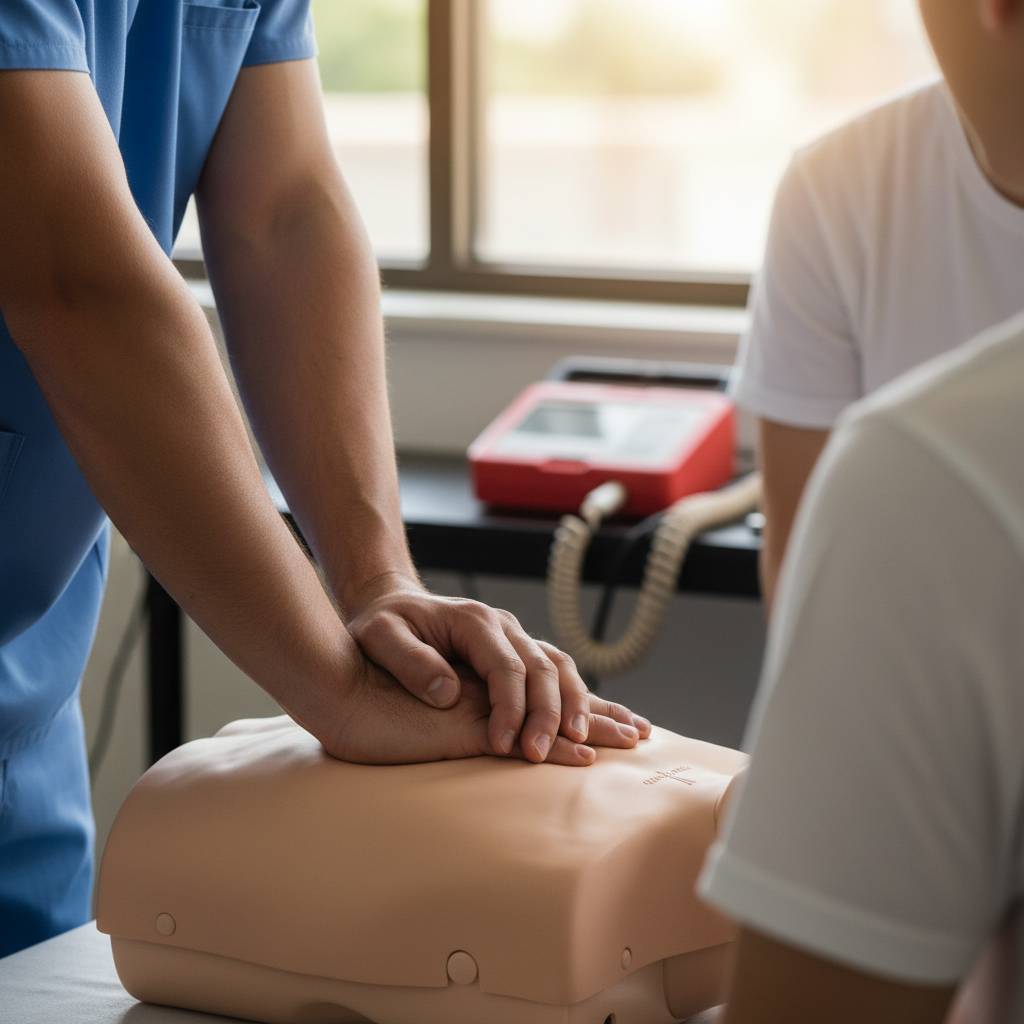
Misconceptions About Choking and Bleeding
Knowing how to respond to choking and bleeding emergencies is crucial, but misinformation can lead to dangerous outcomes. Let's explore these areas further.
Myth 3: Slapping a Choking Person's Back is Helpful
Contrary to popular belief, slapping a choking person on the back can worsen the situation by lodging the object further down the throat. Instead, perform the Heimlich maneuver or abdominal thrusts to dislodge the object safely.

Myth 4: Tourniquets Are Always the Best Option for Severe Bleeding
While tourniquets can be lifesaving, they are not always the first choice for controlling severe bleeding. Applying direct pressure with a clean cloth is usually the best initial step. Tourniquets should be used only when direct pressure is ineffective or impractical.
Addressing General First Aid Misunderstandings
Beyond specific techniques, there are broader misconceptions about first aid that can affect how people respond in emergencies. Here are a few more myths to consider.
Myth 5: You Need Extensive Training to Provide First Aid
While comprehensive training is beneficial, basic first aid can be administered by anyone with minimal instruction. Knowing simple actions like calling 911 and performing chest compressions can make a significant difference in an emergency.
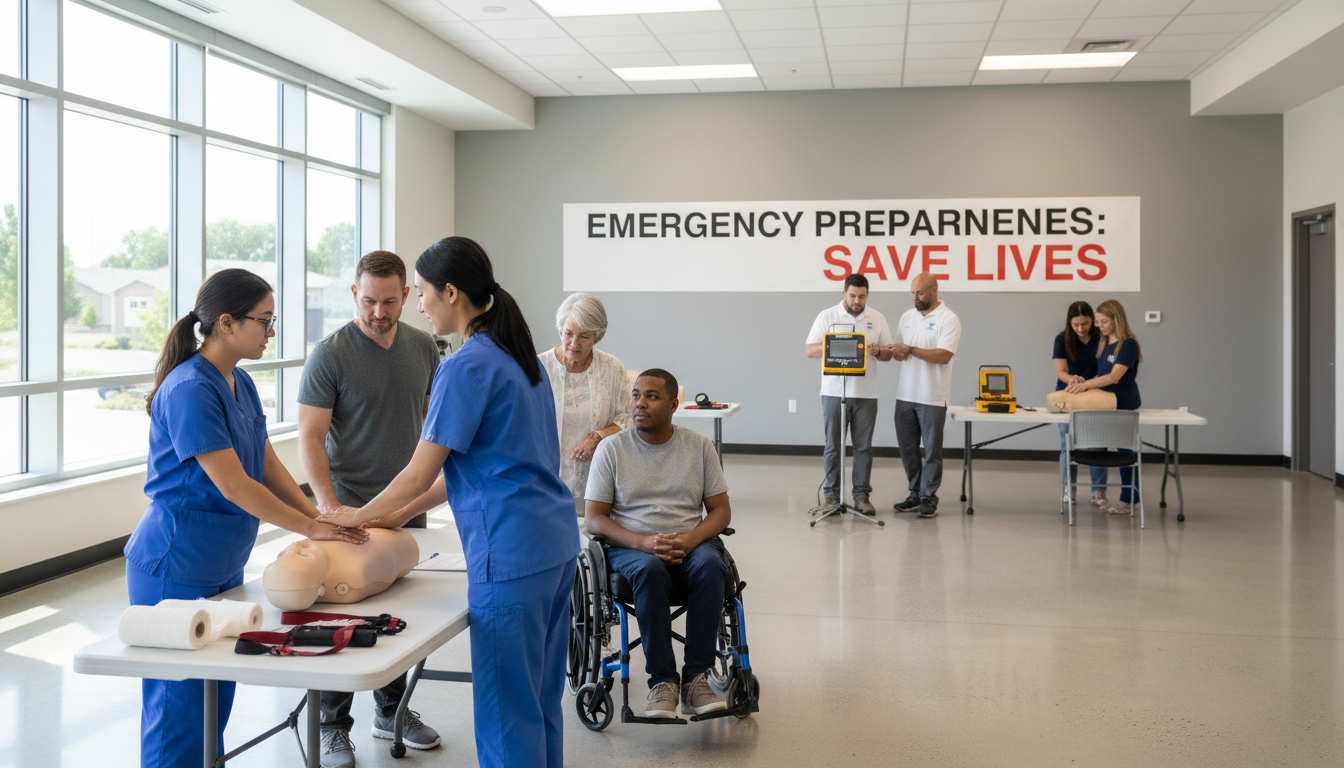
Myth 6: First Aid is Only for Serious Injuries
First aid is not limited to life-threatening situations. It can also be crucial in treating minor injuries, such as cuts and bruises, preventing them from becoming more serious. Being prepared with a first aid kit and knowledge can prevent complications.
Understanding and debunking these myths can empower more people to act confidently and effectively in emergencies. First aid is a valuable skill that everyone should learn to ensure safety and well-being in any situation.